A beautiful áo dài photo set often begins long before the camera clicks: when you hold the panels up in front of the mirror, wonder which color suits you and where to stand. Pick the right cut, match the color to the backdrop, add a few relaxed poses, and standing in front of the lens gets much easier than you expect.
Traditional or modern: get to know the dress first
Today's áo dài is the product of many changes, from the five-panel áo ngũ thân of the past to the figure-hugging refinements of the 20th century. At a shoot, you will mostly come across a few main styles:
- Traditional áo dài: stand-up collar, a fitted body, side slits starting at the waist, panels falling below the knee, worn with straight-leg pants; ideal for elegant, classic portraits.
- Modern áo dài (cách tân): shorter panels, a round or low collar, three-quarter sleeves and sometimes a skirt instead of pants; great for street-style shots and group photos with friends.
- Matching áo dài: two outfits in the same fabric or pattern for couples, sisters or best friends.
- Kids' áo dài: so the little ones can join the photos with their parents.
Choose a cut that flatters your figure
An áo dài only looks good when it fits well: when trying one on, raise your arms, sit down and take a few steps to make sure it is not tight across the chest, does not wrinkle at the underarms or waist, and that the pants just graze your heels.
- Petite frame: a solid color or a small print, pants in the same tone to make your legs look longer, and moderate heels.
- Tall, slender frame: long traditional panels are your advantage; a larger print softens the silhouette.
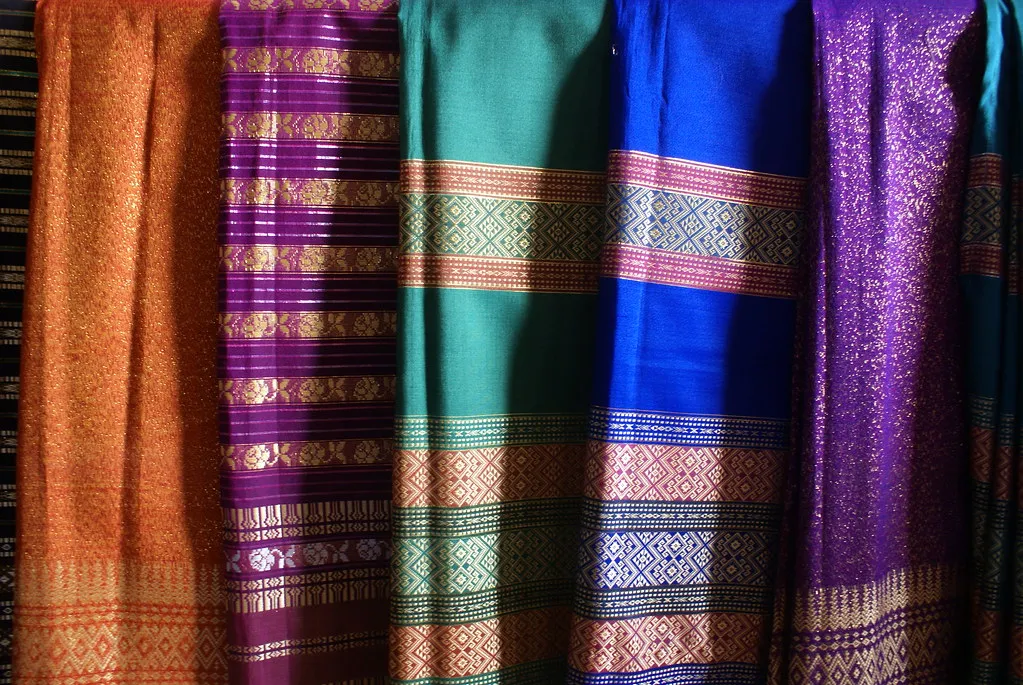
- Fuller figure: soft, flowing fabrics like silk or chiffon; deeper colors or one tone from top to pants; avoid stiff, shiny fabrics.
- Broad shoulders: raglan sleeves, with a diagonal seam running from the collar to the underarm, soften the shoulders; avoid puff sleeves and wide boat necklines.
Pick colors to match the backdrop and the season
An easy rule to remember: a vivid backdrop calls for a plain áo dài, a plain backdrop can handle more patterns; if your dress matches the backdrop, you will blend into the frame.
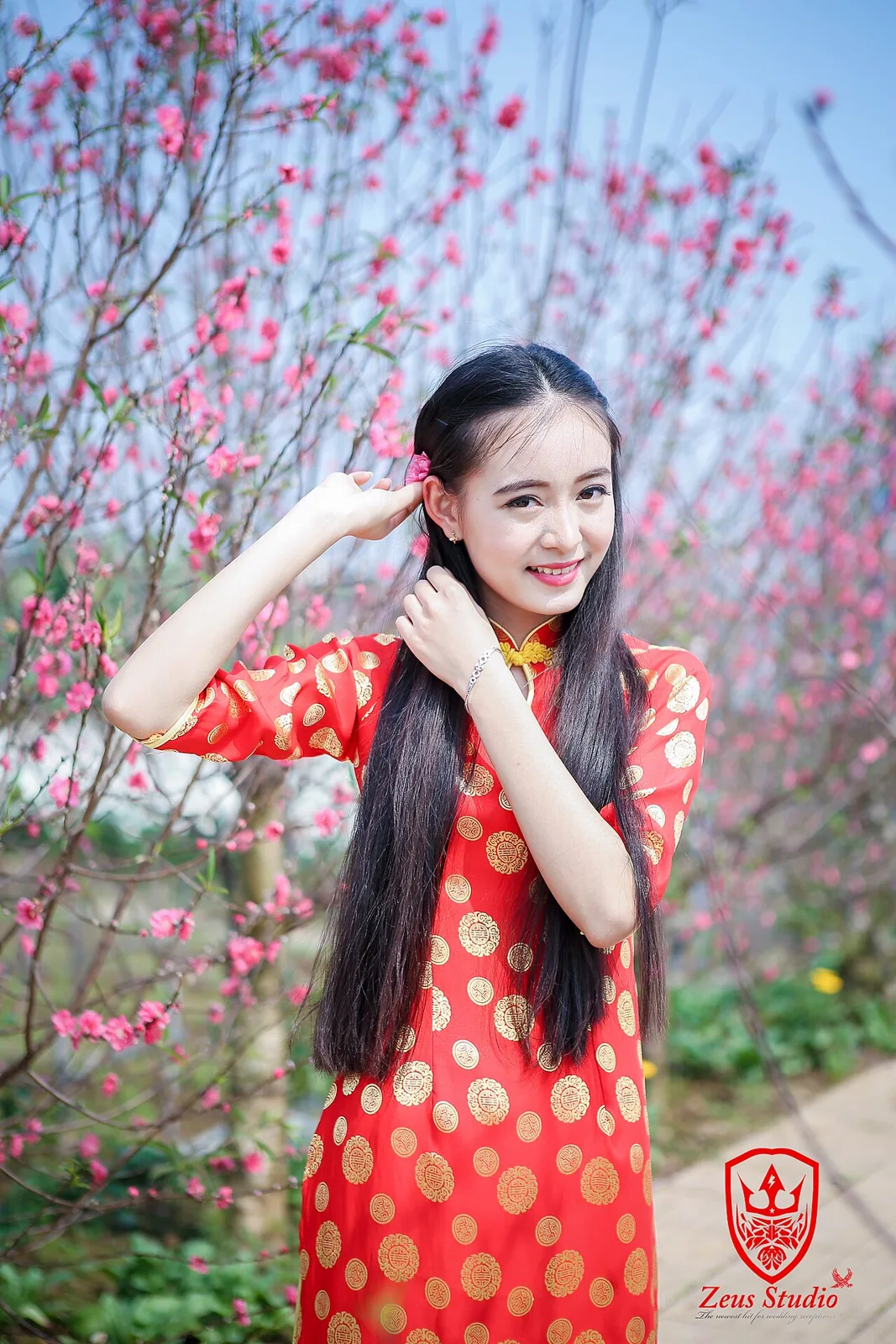
- Red and yellow for Tết: vibrant beside apricot and peach blossoms; if the backdrop is already full of red, try white, pale yellow or jade green.
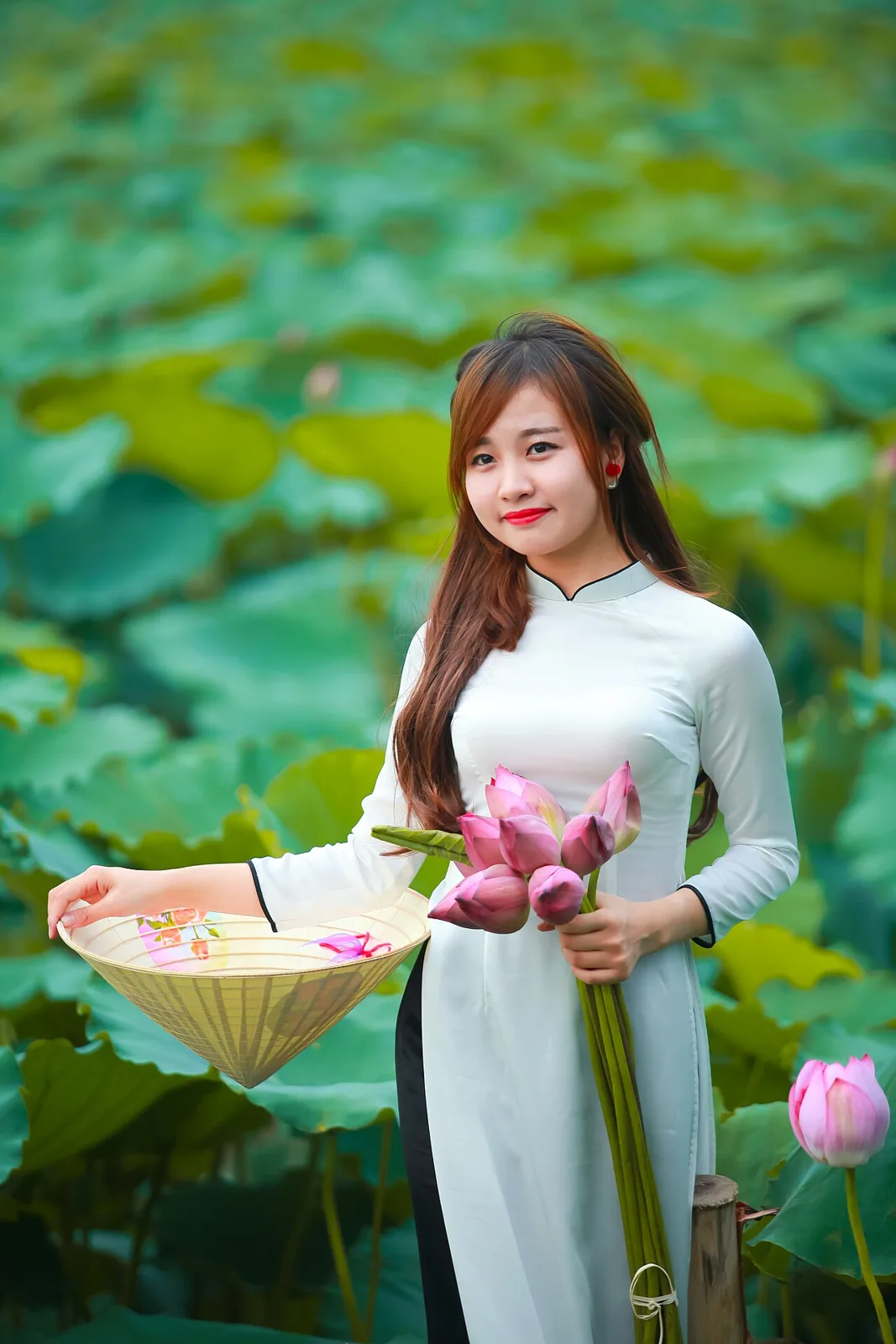
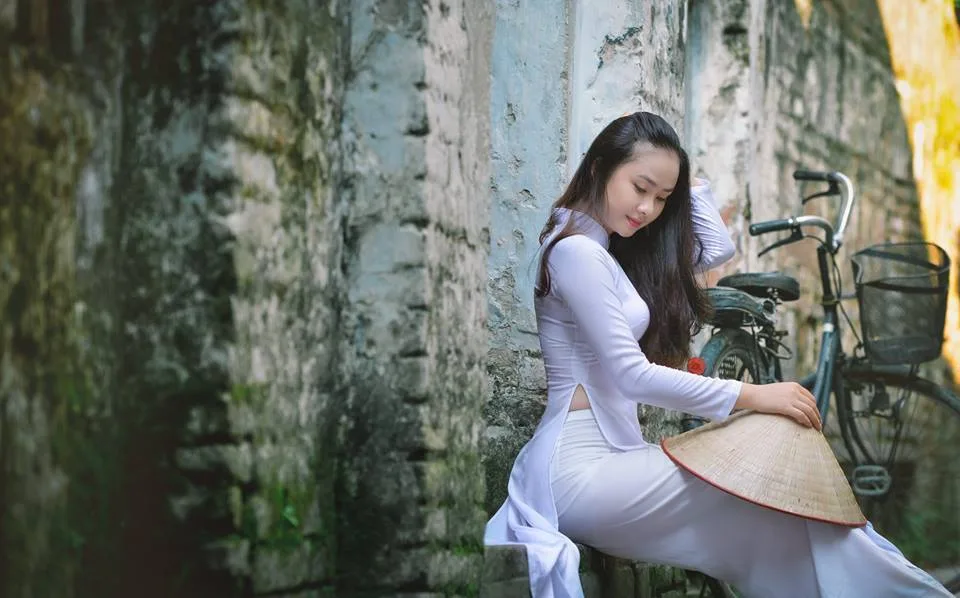
- Pure white: lovely beside lotus flowers, golden walls and greenery; shoot in soft light so the dress does not blow out.
- Pastels such as powder pink and mint: easy on the eyes, great with flower walls and soft morning light.
- Deep tones such as moss green and burgundy: elegant and warm under yellow lights, perfect for evening shots.
If you are shooting as a group, choose one palette in different shades instead of wearing identical outfits, so the photos feel harmonious while everyone keeps their own personality.
Nón lá, fans and just-enough accessories
Accessories give your hands something to do, which makes your pose feel more natural:
- Nón lá (conical hat): hold it tilted at your hip, rest it behind your back, or tip the brim to cover half your face.
- Fan: open it slightly in front of your chest or use it to cover part of your face so your eyes become the focal point.
- Flower basket, lotus bouquet, teacup: great for seated and close-up shots, adding a small story to the frame.
- Hair and shoes: a low bun or straight hair down, moderate heels or wooden clogs; keep jewelry minimal so the dress remains the star.
Pose naturally and show off the flow of the dress
A photo with soul usually comes from gentle movement. Instead of standing stiffly, try this:
- Turn your body about three-quarters toward the camera, shift your weight onto one leg and relax your shoulders.
- Walk slowly so the panels sway, and ask your photographer to shoot in bursts so you can pick your favorite frame.
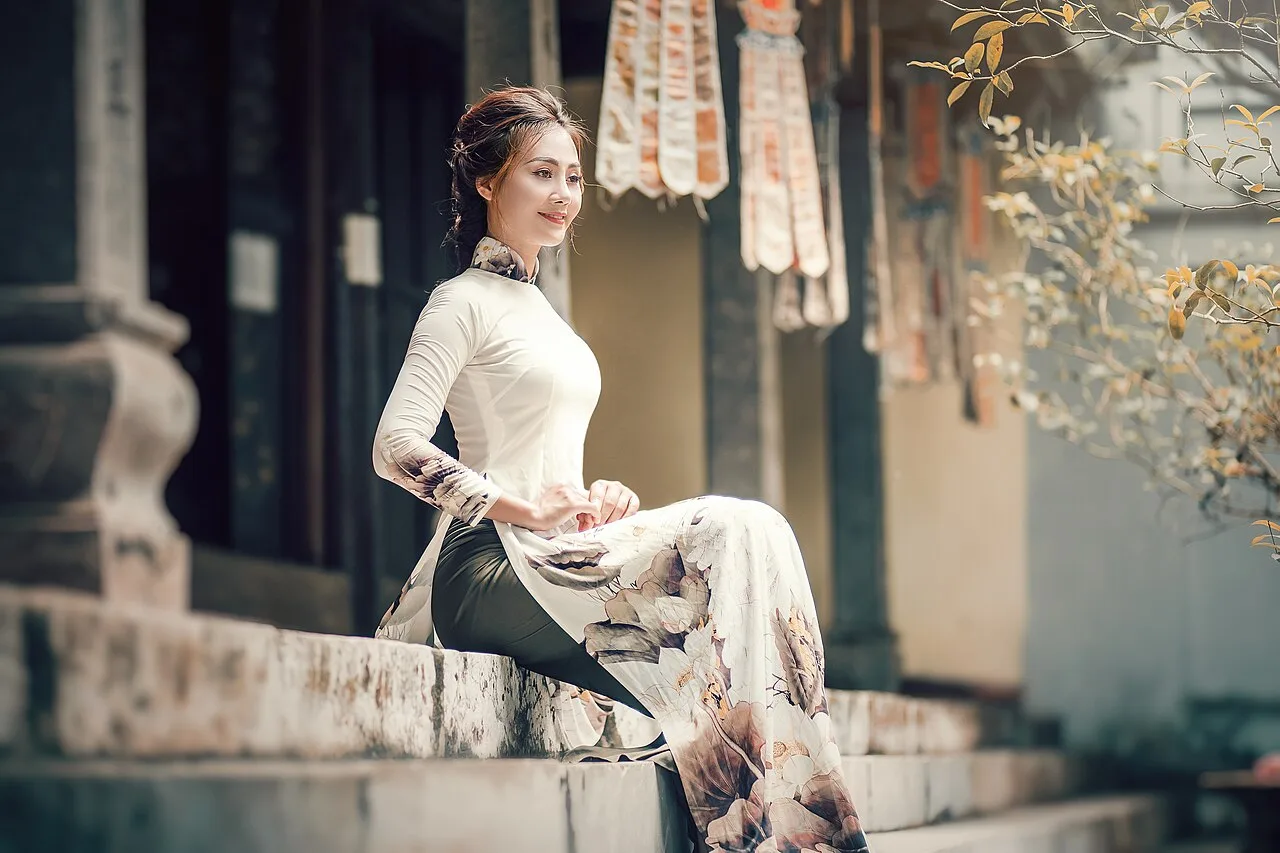
- When sitting, pull the back panel to one side so you do not sit on it, and arrange the front panel neatly across your lap.
- Look into the distance or chat with the person beside you, then turn back and smile; your smile will look more natural.
The photographer should hold the camera at hip level or slightly lower so you look taller, shoot full-length to capture the whole dress, and add a few close-ups of the hand holding the fan.
The áo dài is tied to many formal Vietnamese occasions, so dress neatly, stay respectful in your poses, and ask permission before shooting at temples, pagodas, heritage sites or private homes.
Áo dài photos at Nhà An: the studio and six photo corners
When we open, each Nhà An branch will have a small Áo dài Studio that rents out traditional, modern, matching and kids' áo dài, along with nón lá, fans and flower baskets. The private shooting room has lighting and seasonal sets; you can also add a photographer and makeup artist and choose from three packages, Self-Shoot, Studio or All-Inclusive, with prices available on request.
The six photo corners in the shop also suit different color palettes:
- Nhà An Flower Wall: best around 7:00-10:00 a.m., ideal for plain, light-colored dresses.
- Pink Lotus Corner: white or powder-pink áo dài in the early morning sun.
- Polaroid Wall: shoot, then get an instant print at the counter.
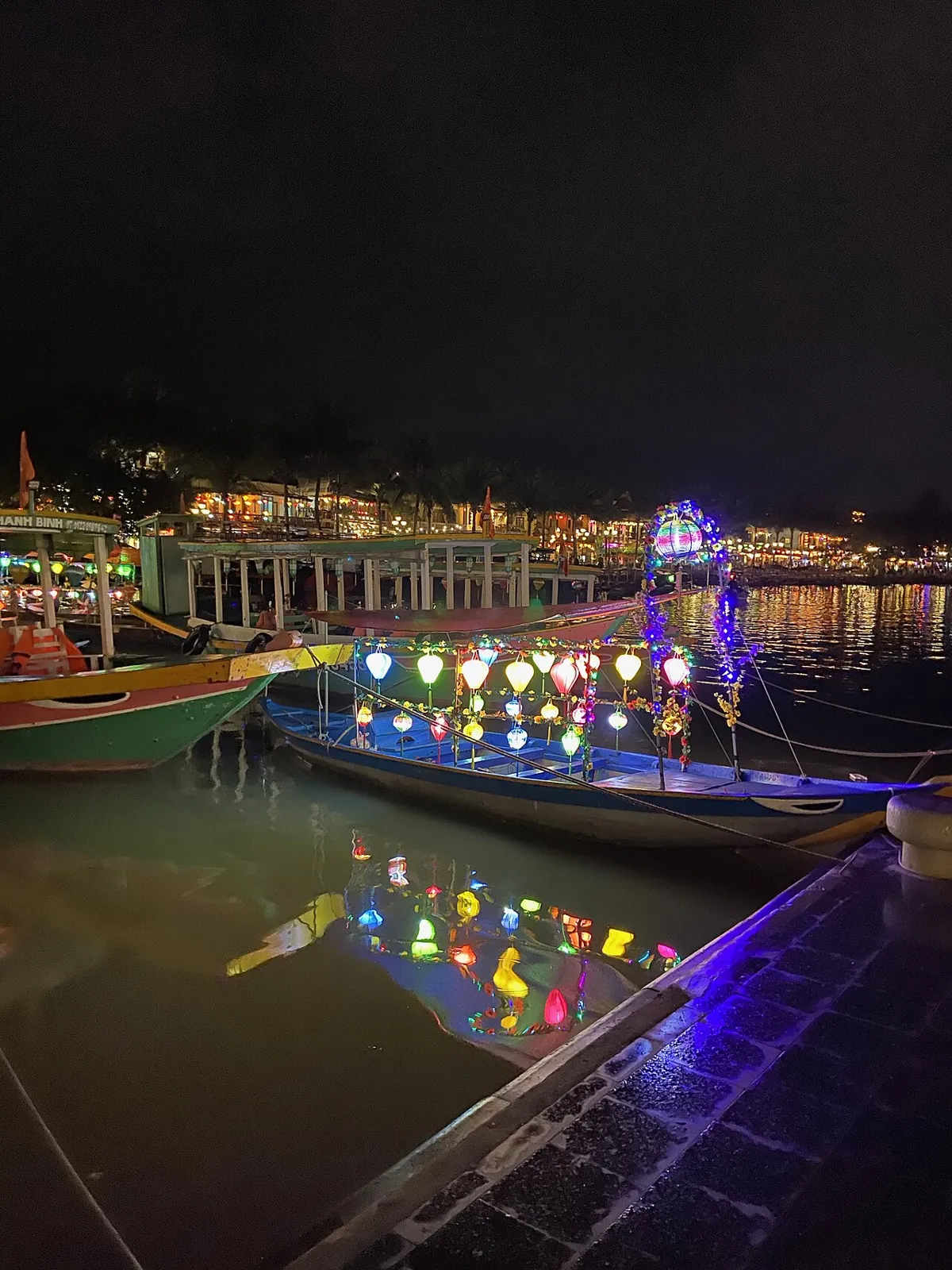
- Night Lights Corner: after 7:00 p.m., ideal for deeper colors.
- Ceramic Tea Table: lift a teacup beside a Bat Trang ceramic teapot.
- Lantern Corner: after 6:00 p.m., red, yellow or white dresses all glow.
Around Tết, the studio is expected to offer sets with peach blossoms, apricot blossoms and calligraphy couplets; book early, as the days leading up to Tết are usually busy.
Read moreÁo dài Studio and the 6 photo corners at Nhà An Read moreTết áo dài photo sets at Nhà An