
After you brew a pot of tea, the soggy leaves left behind usually follow the strainer straight into the trash. In fact, they are organic material well worth keeping, especially if you have a few houseplants or a small corner of garden. Let's look at what used tea leaves can do, how to do it right, and what to avoid so your plants don't suffer.
Why used tea leaves are worth keeping
Tea leaves are plant matter, so even after brewing they still hold plenty of organic material, including nitrogen. Once they go into a compost bin or get mixed into soil, microbes slowly break them down and return nutrients to the earth. Mixed in evenly, used tea also helps loosen the soil and holds a little more moisture.
One honest note so you don't expect too much: used tea is a soil supplement, not a miracle fertilizer. It breaks down slowly, its effect is mild, and it can't replace well-aged compost or a dedicated fertilizer when your plants need lots of nutrients. Don't count on it to noticeably change your soil's acidity either.
For regular tea drinkers, reusing the leaves is a small but meaningful gesture: a little less organic waste from your kitchen. Food waste in landfills can produce odors and greenhouse gases, so keeping it and composting it is always the better choice.
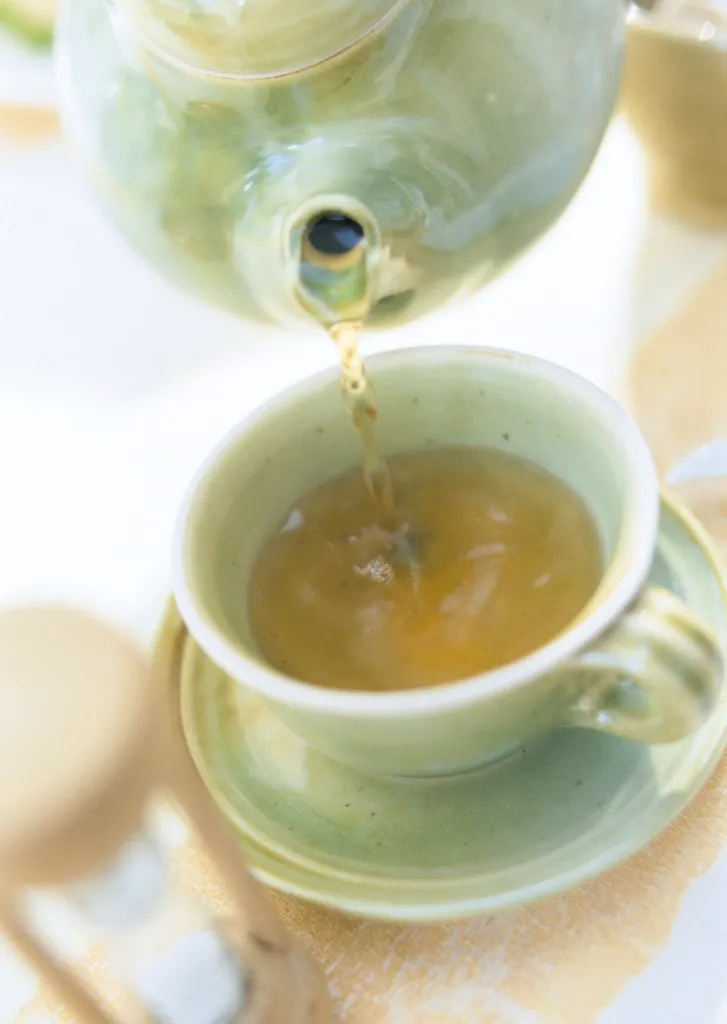
Two things to do right after brewing
Every method starts with two small steps. Skip them and used tea easily turns moldy, smelly, or just annoying.
- Separate the leaves from anything that won't break down: many tea bags contain plastic fibers or glue, so tear the bag open, empty the leaves, and throw away the bag and string. Loose-leaf tea brewed in a pot doesn't have this problem.
- Don't mix them with anything sweet or milky: leaves from milk tea, sugared tea, or fruit tea still carry sugar and milk, which attract ants and flies and quickly ferment and spoil. Use only plain tea leaves brewed with water.
After that, you can use the leaves right away or dry them and save them for later. Drying is simple: spread the leaves thinly on a tray or an old plate, set it somewhere breezy with gentle sun, and stir now and then so they dry faster. Fully dry leaves are light and crumbly, and you can keep them in a lidded container until you need them.
Method 1: compost with your kitchen scraps
This is the most complete way to reuse used tea, because the leaves break down fully into humus, which is safer for plants than sprinkling fresh leaves. You don't need a complicated setup. A plastic bin with a lid and a few holes for air and drainage is enough to get started.
- Spread a layer of dry leaves, shredded twigs, or torn-up cardboard at the bottom of the bin for good drainage.
- Add the used tea leaves along with vegetable peels, fruit peels, and coffee grounds as your fresh layer. Chopping them small helps them break down faster.
- Cover with a layer of dry material such as dry leaves, paper, or sawdust. An easy rule of thumb is about two to three parts dry material to one part fresh material by volume.
- Keep it moderately damp, like a wrung-out sponge. Too dry and it breaks down slowly; too wet and it smells.
- Turn it gently once a week to let air in. After a few weeks to a few months, depending on the weather and your method, the bin will give you loose, dark humus that smells like forest soil.
Used tea belongs with the nitrogen-rich fresh materials, so don't add too much at once. If the bin smells sour or draws lots of tiny flies, add dry leaves and mix well, and the smell will fade right away. If you compost in a city home, never add meat, fish, oil, or dairy.

Method 2: dry them and mix into the soil
If you have no room for a compost bin, use dried leaves in a gentler way. Sprinkle a very thin layer around the base of a plant, then gently work it into the top layer of soil. You can also mix dried leaves with soil, humus, or coconut coir before potting a plant.
What matters most is the amount and the thinness. Wet used tea piled thickly on soil easily forms a crust that blocks water and air from reaching the roots, and it may even go moldy. Use a small pinch, mix it in well, and watch for a few weeks before adding more. Trying it on one pot instead of the whole garden is the safe way to go.
Every plant has its own preferences, so watch the leaves and the soil after feeding. If the leaves turn yellow, the soil forms a crust, or you notice a strange smell, stop and loosen the soil. For precious plants or fruit trees, ask a gardener before you try it.
Method 3: deodorizing and a few small household tricks
Dried used tea can also help around the house. Many people put the dried leaves in a small cloth pouch or a container with holes and place it in a shoe cabinet, a corner of the fridge, or a small trash bin to absorb some moisture and odor. The effect is mild, enough to make the air feel fresher but not a substitute for good hygiene. Replace the pouch after a few weeks, or as soon as the leaves start to feel damp.
You can also use dry used tea leaves to gently scrub a wooden cutting board, your hands, or utensils after cooking something with a strong smell, like onion or garlic. Just test it on colorfast surfaces first, since used tea can stain fabric and light-colored stone.
One more thing: don't pour used tea leaves down the sink or drain. Built-up leaves can clog pipes, especially when mixed with grease. Collect them in a small jar by the stove and take them to your plants or compost bin when it's full.
What to avoid when using used tea leaves
- Wet, thick, packed-down leaves: they easily turn moldy, smell, and block water. Always dry them or mix them in well before use.
- Leaves with sugar, milk, or toppings: they attract insects and spoil the compost bin.
- Whole tea bags: many contain plastic that doesn't break down in soil.
- Too much at once: it can smother the roots and make the soil form a crust.
- Expecting too much: used tea is a supplement and can't replace fertilizer when a plant is clearly short on nutrients.
- Using it on plants that like dry, airy soil, such as cacti and succulents: these usually don't need extra damp organic matter.
What Nhà An plans to do with used tea leaves
The tea counter at Nhà An works with oolong, green tea, jasmine tea, and tea concentrate brewed fresh every four hours, so used leaves will be a significant amount of material. That's why Nhà An plans to collect the leaves and compost them for the plants in our shop, trying it at a few branches before rolling it out more widely. This is a plan, not a result we've already achieved, so we have no numbers to brag about yet.
While you wait for the shop to open, you can start right now with the teapot at home: a small jar by the stove to collect the leaves, a tray in a breezy spot to dry them, and one pot of greenery to try them on. Small habits like these add up to a lovely routine. And your houseplants will thank you in their own way.
Read moreSee the green-living choices Nhà An has made and plans to make Read moreLearn about the tea sources and ingredients behind Nhà An