Some people stay up because of a night shift, some because of a deadline or exam season, and some simply feel sharpest once the city goes quiet. Whatever your reason, your body still follows its own day-and-night rhythm, so a few good habits can help you work smoothly without paying for it in sluggish days. These are general suggestions and do not replace a doctor's advice.
Why staying up late wears you out
The human body runs on a biological clock of about twenty-four hours, shaped heavily by light and by when you eat and sleep. When you have to stay alert at a time your body is used to resting, many people feel sleepiest between late night and early morning, often around two to five a.m., and thinking slows down. That is a natural response, not a lack of willpower.
So the goal is not to fight your body but to help it adapt: keep your schedule regular, control the light around you, eat sensibly and leave room for rest.

Keep a fixed sleep time and catch up the right way
The most important thing for night workers is consistency. Choose a main sleep window, for example starting right after you get home from your shift, and keep it close to the same time every day, even on days off if you can. Sleep guidelines for adults usually fall between seven and nine hours a day, though everyone's needs differ.
- Make your bedroom dark and quiet: thick curtains or an eye mask, earplugs, and your phone on do-not-disturb.
- Build a short wind-down habit before bed, such as washing your face or reading a few pages of a book.
- When you are short on sleep, make it up with a longer sleep next time or a short nap of about 20 to 30 minutes before your shift, instead of cutting sleep all week and then sleeping it off in one go.
As for light, you can do the opposite of daytime. At the start of your shift, sit somewhere bright to feel more alert. Toward the end, gradually dim your screen and desk lamp. On the way home in the early morning sun, wear sunglasses to limit the bright light that tells your body a new day is beginning. Some people find this makes it easier to fall asleep.
Food and caffeine: light, regular and well timed
Eating too much in the middle of the night tends to leave you groggy, while skipping meals makes you faint with hunger and unfocused. A steadier approach is to have one main meal before your shift, bring along or choose something easy on the stomach for mid-shift, and avoid anything too greasy or too sweet in the small hours.
- Your main meal before the shift should include carbs, protein and vegetables to keep you full longer.
- Mid-shift, go for light snacks such as bánh mì (Vietnamese baguette), a small portion of xôi (sticky rice), fruit, nuts, or a warm bowl of cháo (rice porridge) or vegetarian noodles.
- Keep a water bottle at hand and drink regularly.
- At the end of your shift, have a moderate light snack before bed; don't go to sleep stuffed or hungry.
Caffeine keeps you alert, but it also stays in your body for quite a while. One sleep study found that even coffee drunk about six hours before bedtime can still shorten sleep, so many people stop coffee, strong tea and energy drinks from that point on, although sensitivity varies from person to person. If your shift ends in the early morning, have your caffeine in the first half of the shift and switch to lighter or low-caffeine drinks in the second half. At Nhà An, every drink is planned to come with a sugar level you can choose from 0 to 100%, so it is easy to keep your drink from getting too sweet late at night.
Move a little and rest your eyes
Sitting for hours through the night stiffens your neck and shoulders and slows your mind. Every hour or so, stand up, stretch your shoulders, roll your wrists and take a short walk around. Just a few minutes improves circulation and helps you feel more awake.
- Walk for a few minutes or climb a few stairs when sleepiness hits.
- Stretch your shoulders, roll your neck and open up your chest to release tight shoulders and neck.
- Follow the 20-20-20 rule: every 20 minutes, look at something about 6 meters (20 feet) away for 20 seconds.
- Keep your screen at a moderate brightness.

Getting around safely at night
The part most easily forgotten is the trip home. Reflexes slow down when you are sleepy, so plan for safety ahead of time.
- If you are too sleepy, don't drive yourself. Call a ride-hailing car, ask a family member to pick you up, or rest a while before heading home.
- Share your location and expected arrival time with someone you trust.
- Choose a route with streetlights and people around, even if it is a little longer.
- Check the license plate and driver details before getting into a ride-hailing car.
- Keep your phone charged, tuck valuables neatly into your bag, and avoid looking at your screen while walking.

A friendly place for night owls
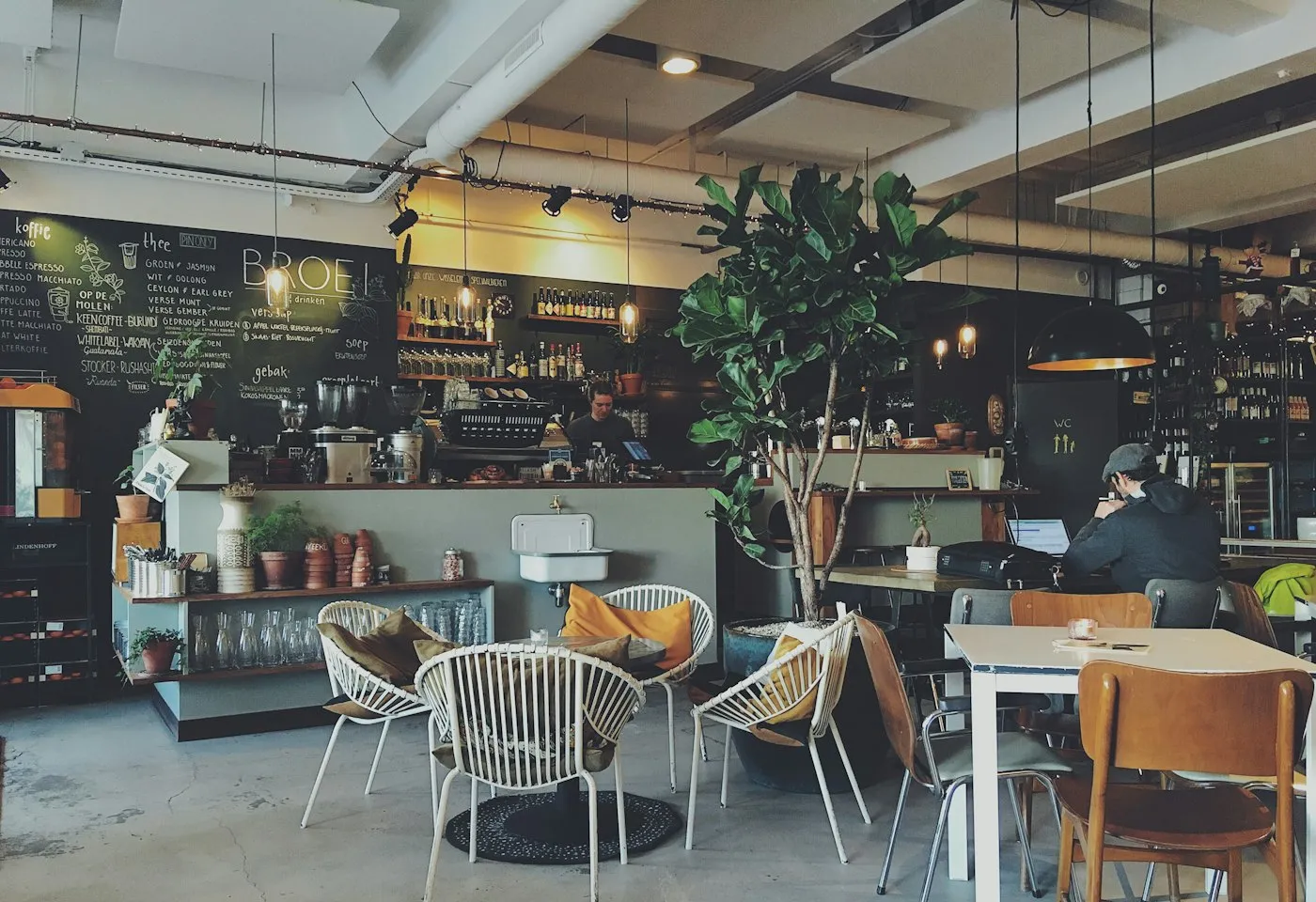
A quiet, safe place to work at night makes staying up feel easier. When Nhà An opens, all five branches are planned to be open 24/7, including Tết (Lunar New Year), with staff on duty around the clock, a late-night vegetarian kitchen menu from 22:00 to 04:00, and the Deadline Room with quiet-hours rules to help you focus. You will also be able to scan a QR code to order right at your table, so you don't have to leave your seat when you are in the zone.
Finally, if you have long-lasting insomnia, are often exhausted or notice a clear decline in your health, please see a doctor for suitable advice. This article offers only general suggestions about daily habits.
Read moreSee Nhà An at night Read moreWorking 24/7 at Nhà An