
Plenty of people shy away from vegetarian food because they think it's bland and gets old after a few meals. In truth, most of the deep savoriness we love in meat dishes comes from flavor compounds already found in mushrooms, vegetables, seaweed and fermented foods. Learn to draw them out, and vegetarian meals taste complete without any MSG.
Umami, the fifth taste hiding in vegetables
Besides sweet, sour, salty and bitter, the human tongue also detects umami, that deep, mouth-filling savoriness we usually call "rich" or "full-flavored." In the early 1900s, Japanese chemist Kikunae Ikeda isolated the compound behind this taste in kombu broth: glutamate. Glutamate occurs naturally in many vegetarian ingredients, such as ripe tomatoes, mushrooms, kombu and fermented soybeans.
Dried shiitake are also rich in guanylate, another umami compound. When glutamate meets guanylate, the savoriness rises sharply, which is why a broth made with both kombu and dried shiitake usually tastes far better than one made with either alone.
- Dried shiitake, straw mushrooms and king oyster mushrooms bring depth and aroma.
- Dried kombu and other seaweeds add a deep, rounded sweetness.
- Ripe red tomatoes, especially when cooked down well or roasted.
- Soy paste, chao (Vietnamese fermented tofu) and soy sauce: fermentation turns soy protein into flavor compounds full of savory depth.
- Daikon, sweet corn, carrots, chayote and jicama (củ đậu) give a clean, gentle sweetness.

A vegetable broth that doesn't need MSG
A good broth is the base for many dishes through the week, from phở and bún (rice noodle soups) to hủ tiếu, plus soups and braises. Here's how to start:
- Rinse a few dried shiitake, then soak them with a piece of kombu in cold water for a few hours, or overnight in the fridge. Keep the soaking liquid.
- Char an onion and some ginger until the skins blacken, which makes the broth more fragrant.
- Add daikon, corn cut into chunks, carrots and chayote to the pot along with the mushroom soaking liquid, and heat over medium. Take the kombu out just before the water boils so the broth doesn't turn slimy and bitter.
- Once it boils, lower the heat, skim the foam and simmer gently for about an hour; a hard boil easily clouds the broth.
- Strain through a sieve, then season with salt, a little rock sugar and a few drops of soy sauce. Season lightly first and adjust for each dish.
- Cool it quickly, portion it into containers, and keep it in the fridge for 2–3 days, or freeze it to keep longer.
Avoid putting lots of cabbage or cauliflower into a long-simmered pot, since they can give the broth a sharp, pungent smell.
Read moreA Vietnamese vegetarian breakfast: 7 light dishes for a long dayRoast, sear and stir-fry over high heat for extra layers of flavor
Broth gives sweetness, while high heat gives aroma. When vegetables, mushrooms or tofu are roasted or seared until golden and browned, the sugars and proteins on the surface react with each other, creating a fragrant crust and a rich flavor that boiling or steaming can't match. Cooks call this the Maillard reaction, and it goes hand in hand with the caramelization of sugars.
- Pat tofu, mushrooms and vegetables completely dry; a wet surface will steam instead of browning.
- Heat the pan and oil first, and arrange the pieces in a single layer with space between them instead of piling them up.
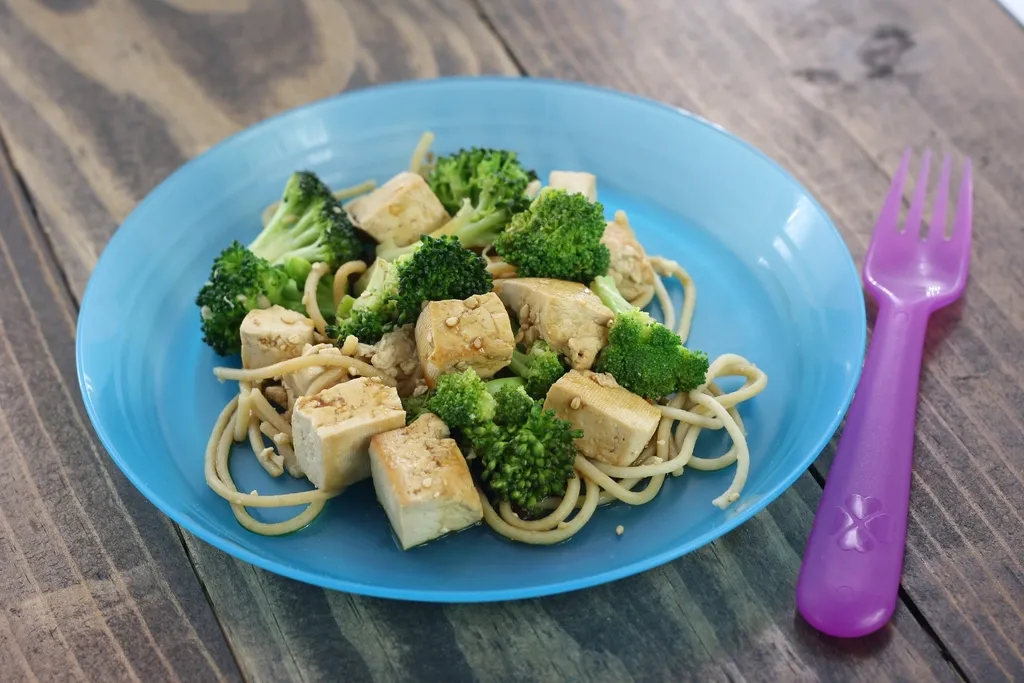
- Leave them alone until the underside is evenly golden before flipping; flipping too early tends to break the tofu and make it stick.
- Sear mushrooms until their water cooks off and the edges brown, and only then add salt or soy sauce.
- Marinate eggplant, corn and king oyster mushrooms in minced lemongrass, soy sauce and a little oil, then grill them over charcoal or roast them in the oven.
Vietnamese flavors: lemongrass, ginger, pepper and fresh herbs
The Vietnamese kitchen has a big advantage when cooking vegetarian: a rich pantry of fresh aromatics. Lemongrass gives a cool, citrusy fragrance that suits lemongrass tofu or mushrooms stir-fried with lemongrass and chili. Ginger is warm with a mild kick, good for braises, steamed dishes and dipping sauces. Ground pepper wakes up braised and caramelized dishes, while fresh chili adds a bit of heat.
Fresh herbs are the signature of Vietnamese vegetarian cooking: Thai basil and sawtooth herb for a bowl of phở; perilla and Vietnamese balm for fried tofu; rice paddy herb for a pot of vegetarian sour soup; and betel leaves wrapped around mushrooms for the grill. A touch of sourness from lime, tamarind or pineapple also brightens a dish and cuts through any heaviness.
If you eat vegetarian in the tradition that avoids the five pungent spices (ngũ vị tân), such as onion, garlic, chives and scallion bulbs, the seasonings above, together with mushrooms and fresh herbs, are still plenty to make a dish fragrant and well rounded.
How the Nhà An kitchen makes its broth
At Nhà An, everything on the menu is vegetarian, and the broths are made from vegetables with no MSG. It's a choice that lets the sweetness come from the vegetables themselves: the vegetarian hủ tiếu Nam Vang (Phnom Penh-style noodle soup) in Binh Thanh is gently sweet thanks to daikon, while the vegetarian mì Quảng (central Vietnamese turmeric noodles) is rich with mushrooms, peanuts and golden turmeric noodles.
The kitchen favors seasonal organic vegetables and tofu made fresh every morning, and Nhà An works directly with local farming families to know exactly where the ingredients come from. When we open, vegan dishes, with no eggs and no dairy, will be marked separately at the counter; you can also ask our team about what goes into each dish.
Read moreThe ingredient journey from farm families to the Nhà An counter Read moreExplore the Nhà An vegetarian kitchen