Travel through the Mekong Delta or Saigon and you'll spot small trays of colorful cakes on street carts and in the glass cases of neighborhood shops, with a faint scent of pandan and coconut cream in the air. Nothing about them is fancy like royal court sweets. They grew out of what the river country has in abundance: rice, coconut, sugar, bananas and fragrant leaves. Today Nhà An introduces three familiar names: bánh bò (honeycomb rice cake), bánh da lợn (layered pandan cake) and bánh chuối (banana cake).
Why southern cakes always smell of coconut and pandan
The Mekong Delta is the country's rice bowl and also home to endless groves of green coconut palms. Rice gives the flour, coconut gives rich cream, palm sugar or cane sugar adds sweetness, and pandan and banana leaves bring fragrance and color. Add generations of culinary exchange between the Vietnamese, Khmer and Chinese communities, and southern folk cakes tend to be sweet, gently rich and steamed or baked in styles all their own.
Two ingredients show up again and again: coconut cream and pandan leaf. Coconut cream is the rich liquid pressed from grated coconut flesh, and the first pressing is the thickest and creamiest. Pandan leaf, called lá dứa in Vietnamese, is blended or pounded and strained into a green juice that colors the batter naturally and adds a soft aroma reminiscent of freshly cooked sticky rice. Without these two, many cakes would lose their familiar soul.
Bánh bò: a crumb as airy as bamboo roots
Bánh bò is a fermented rice-flour cake, usually steamed or baked. Rice flour is mixed with water, sugar and coconut cream, then left until the batter bubbles up with the help of yeast. Over high heat it puffs up and splits into ridges across the top, while the inside is full of tiny channels running from bottom to top, which is why people compare it to bamboo roots or a honeycomb.
In the South, bánh bò is made in white, pandan green or pink, and eaten while still warm for the best chewy, soft texture and aroma. There is another famous version, bánh bò thốt nốt from the Seven Mountains area of An Giang, made with sugar or sap from the palmyra palm and tied to the Khmer community there. In folk belief, a cake that blooms open is a sign of good luck, so bánh bò often appears on altars and at celebrations.
A few tips for making bánh bò at home:
- Let the batter rest long enough to bubble before steaming.
- Wait until the water is at a full boil before putting the cakes in, and keep the heat high and steady.
- Don't lift the lid during the first few minutes, so the cakes don't collapse.
- Let the cakes cool a little before unmolding so the crumb doesn't turn sticky.
Bánh da lợn: green and gold layers, nutty and fragrant
Slice into a bánh da lợn and you'll see even, paper-thin layers of green and gold. The soft, slightly bouncy cake is made mainly from tapioca starch, rice flour, coconut cream, sugar and pandan juice, and the golden nutty layer usually contains finely ground mung beans. The name da lợn, meaning pig skin, is usually explained by the translucent, springy slices stacked in many layers.
What makes bánh da lợn hard is patience. The cook steams one layer at a time and waits until the surface sets before pouring the next, otherwise the layers blend together and lose their lines. That's why a tray of many layers can take a long time at the stove. Some places also make a version with durian, but the pandan and mung bean cake is still the most familiar flavor.
The more layers a cake has, the more patient the cook beside the steamer has to be.
Bánh chuối: ripe, fragrant, baked or steamed
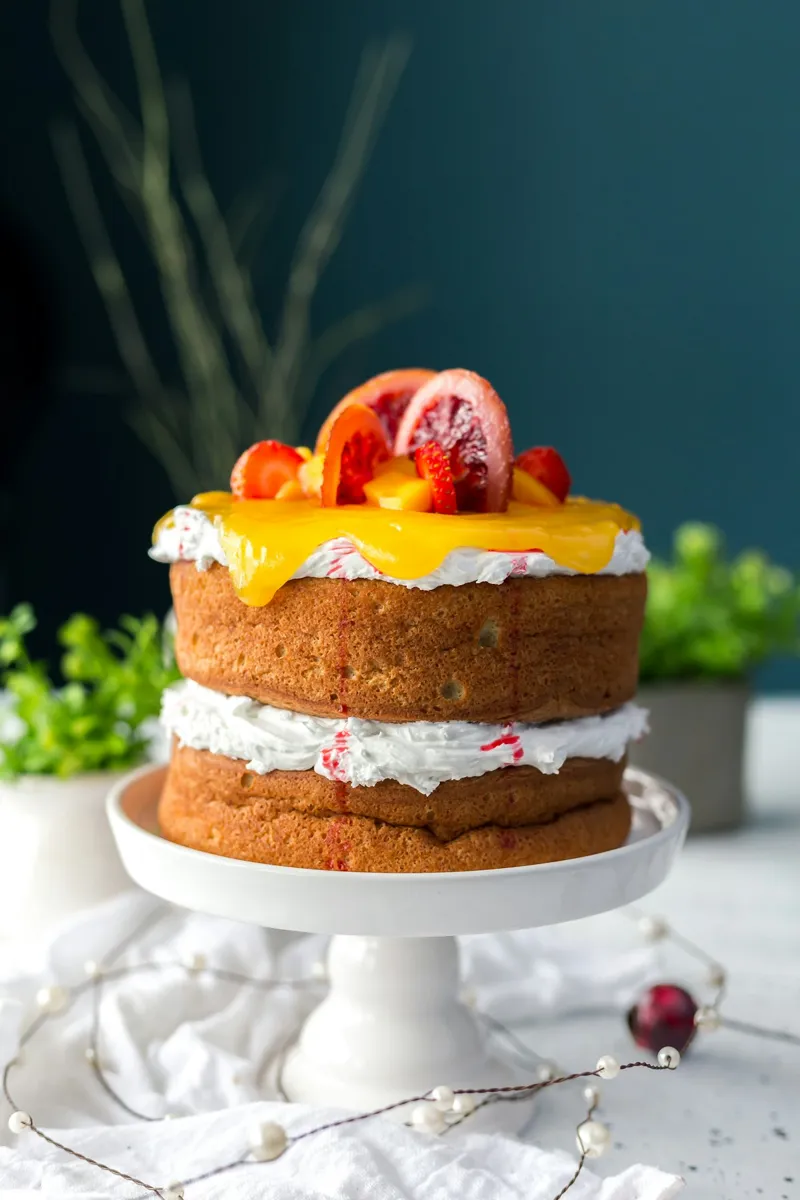
Bánh chuối comes in two popular styles. Baked banana cake combines ripe bananas, coconut cream, flour and sugar, and is baked until the top turns deep golden and the edges caramelize slightly, with a cut slice smelling of banana blended with coconut. Steamed banana cake is soft, chewy and glossy, usually steamed in a mold lined with banana leaves, then cut into pieces, drizzled with coconut cream and sprinkled with sesame seeds or roasted peanuts.
Bananas for baking should be truly ripe, with speckled black skin, because the riper the banana, the sweeter and more fragrant the cake. Cooks usually pick fully ripe chuối xiêm or chuối sứ (local banana varieties), and every region and household has its own way. If you have a few overripe bananas sitting in the kitchen, banana cake is a lovely way to use them up.
Enjoying them with tea: finding the right match
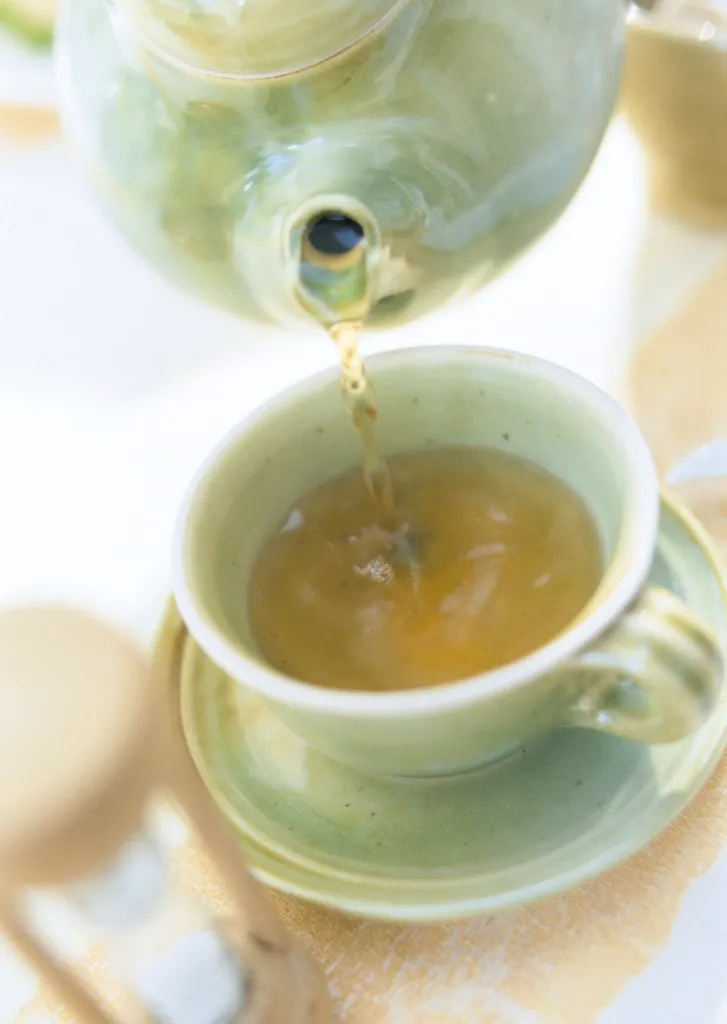
Southern folk cakes tend to be rich and sweet, so the best drinks are light or gently astringent ones that refresh the palate. Here are a few suggestions by taste, so feel free to experiment and find the pairing that suits you:
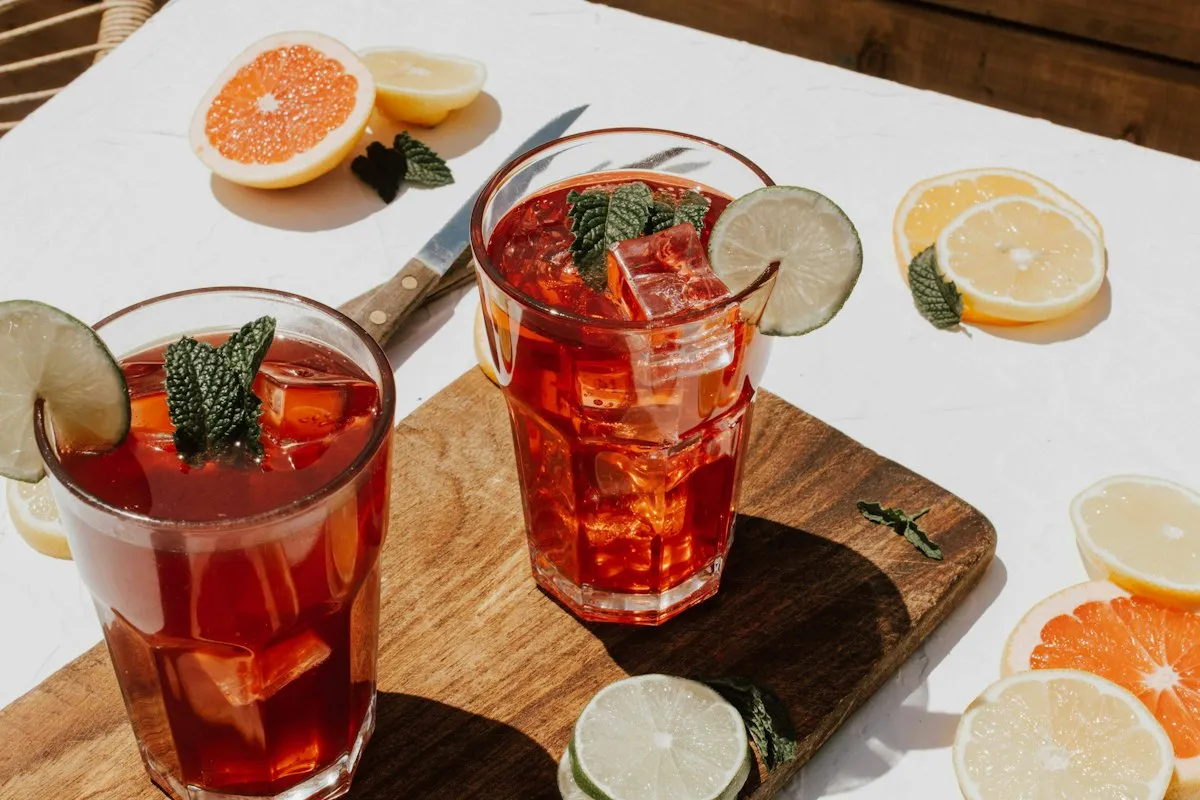
- Bánh bò with lotus tea or jasmine green tea: a delicate floral note that doesn't overpower the rice flavor.
- Bánh da lợn with hot green tea: a mild astringency that cuts the richness of the coconut and mung bean.
- Baked bánh chuối with wood-fired roasted oolong: the warm roasted aroma goes well with the caramelized banana edges.
- Bánh chuối or bánh bò with Vietnamese phin coffee: the deep bitterness balances the sweetness.
If you usually sweeten your tea, try cutting back, since the cakes are already sweet.
Traditional Vietnamese cakes at the Nhà An bakery
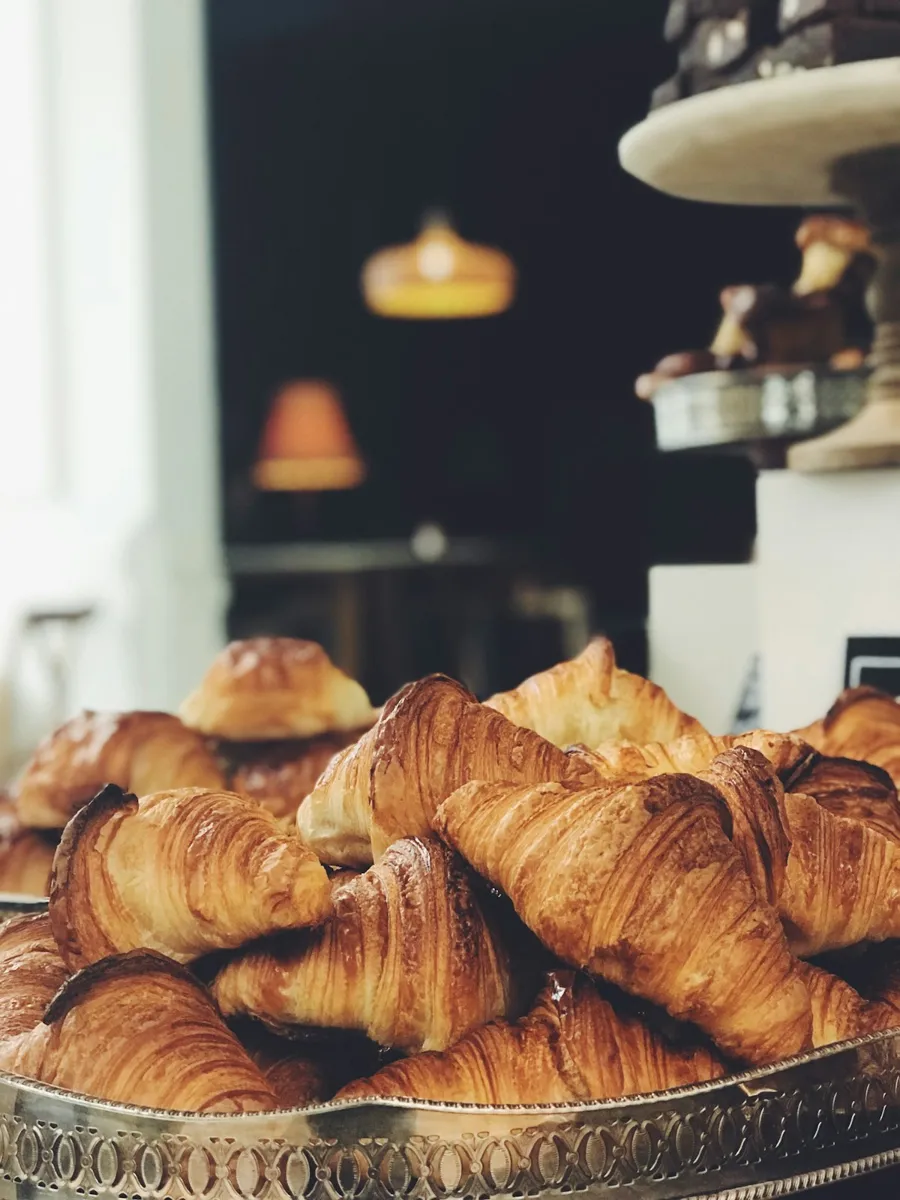
The Nhà An bakery starts baking at 5 a.m., mostly croissants, bread and pastries. Alongside those, the bakery plans to add seasonal Vietnamese cakes, including bánh bò and bánh da lợn, with the specific list announced gradually after opening. Like everything at Nhà An, the cakes are vegetarian, and vegan items with no eggs or dairy are labeled separately at the counter.
Our branches are still being finished, so keep an eye on the website and Zalo to find out when Nhà An opens.
Read moreVisit the Nhà An bakery Read moreRead more: 6 tea and cake pairings worth trying