Walking into a teaware shop for the first time can be overwhelming: teapots in every shape, cups in every size, trays in every style, and a few pieces you can't even name. The good news is that a handful of basics is all it takes to brew a lovely pot of tea. Nhà An shows you how to choose each piece, which material suits whom, and how to keep your teaware beautiful for years.
Five basics you need
A small-pot brewing set usually revolves around five pieces:
- Teapot: where the leaves meet the water. Beginners can swap it for a lidded bowl (gaiwan), which makes it easy to watch the leaves unfurl and easy to clean.
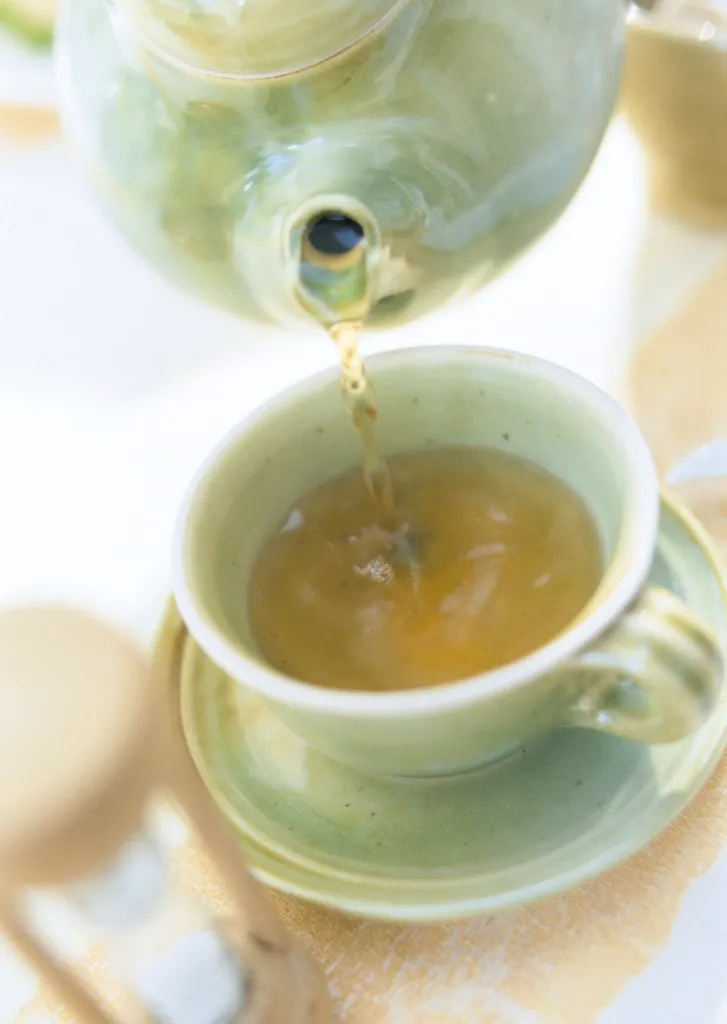
- Pitcher (chén tống): a larger cup or small jug with a spout that catches all the tea from the pot, then divides it so every cup is equally strong.
- Tasting cups (chén quân): small cups for drinking, each holding two or three sips.
- Tea tray: holds the pot and cups and catches rinse water; it can be a bamboo tray with a water reservoir or simply a large plate.
- Strainer: sits over the pitcher to catch tea crumbs, very handy when you brew broken leaves or small tea buds.
Add a kettle and an airtight tin for your tea and you're ready to begin; tongs for the cups or a tea scoop can come later.
Ceramic, porcelain, clay or glass
Each material has its own character, and none suits everyone:
- Glazed ceramic, such as Bat Trang ceramics: usually thick-walled and good at holding heat, with many shapes and glazes such as blue glaze and crackle glaze; fairly heavy in the hand. With long use, a crackle-glaze cup soaks tea color into its cracks, which some people love and others don't.
- Porcelain: dense, fine body that doesn't hold on to odors, and its white interior shows the color of the tea, which is why it's often used for tastings; thin porcelain cools faster than thick-walled ceramic.
- Unglazed clay: holds heat well, and its slightly porous body gradually absorbs tea aroma and develops a glossy sheen over time; because it absorbs odors, each pot should be kept for one kind of tea.
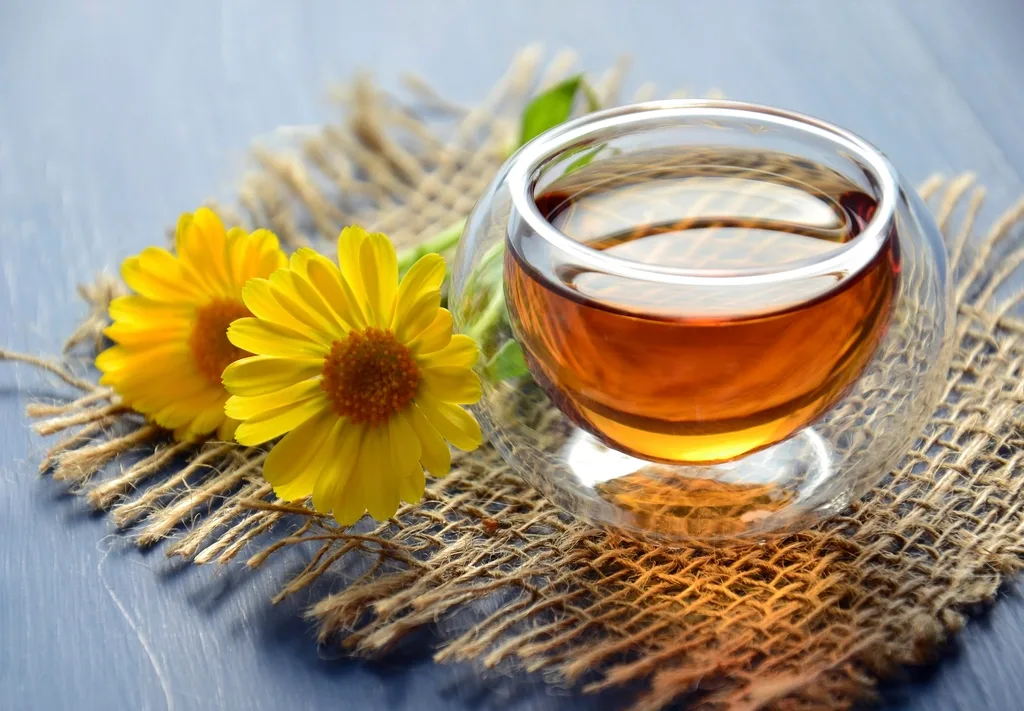
- Glass: lets you see the color of the tea and the leaves unfurling, and doesn't hold odors; it suits green tea, tea buds and flower teas. Choose heat-resistant glass, and remember it cools quickly.

Choosing a size and testing before you buy
Pick a size based on how many people usually drink together:
- 1–2 people: a teapot or lidded bowl of about 100–150 ml.
- 3–4 people: a teapot of about 150–200 ml.
- A crowd, or brewing at the office: use a glass pitcher with a filter insert instead of buying a very large teapot.
The pitcher should hold one full pot, so leftover tea doesn't sit around and make later steeps increasingly bitter. The capacity marked on a teapot usually means filled to the brim, while the actual amount of water you brew with is less because the leaves take up room.
When you shop, ask to test-pour with water and check these things:
- The stream from the spout is clean, with no water dribbling down the side of the pot.
- Cover the small hole in the lid and the water stops flowing, which means the lid fits tightly.
- Tilt the pot until it's nearly empty and the lid doesn't slide off; the handle feels balanced and doesn't get hot.
- The strainer holes where the spout joins the body are small enough to keep tea leaves out.
- The inside of each tasting cup is light in color, so the tea's color is easy to see.
Three simple starter setups
Instead of buying a boxed set, build one piece at a time to fit your needs:
- A solo set for your desk: a white porcelain lidded bowl, a glass pitcher, one or two tasting cups and a strainer; a deep plate stands in for the tray.
- A set for hosting friends: a 150–200 ml ceramic teapot, a pitcher that holds one full pot, four tasting cups and a bamboo tray with a water reservoir.
- A set to upgrade over time: add a clay teapot just for the tea you drink most, a temperature-control kettle and a small scale.
Prioritize the pieces that touch the tea, namely the teapot, pitcher and tasting cups; the tray, tin or cloth can be whatever you already have. If you're not used to lidded bowls, don't fill them to the brim so there's room to hold the rim.
Caring for your teaware so it lasts
- Empty the leaves right after brewing and rinse the pot with hot water; don't leave wet leaves in the pot overnight.
- Leave the lid off until everything is completely dry before putting it away; clay pots and bamboo or wooden trays mold easily if they stay damp.
- Unglazed clay pots only get a hot-water rinse, no dish soap, because the body will absorb the smell.
- Porcelain, glass and glazed ceramic can be washed with a little dish soap; wipe away tea stains with baking soda and a soft cloth, and avoid metal scouring pads.
- Warm your tools with hot water before pouring in boiling water, and avoid letting a hot pot meet cold water suddenly.
- Wash a new pot and rinse it with boiling water a few times before the first brew.
Brew it, hold it, then buy it
The quickest way to choose teaware is still to brew and hold it yourself. When Nhà An opens, you can order a pot of tea at the Ceramic Tea Table to feel the weight of a Bat Trang ceramic teapot, the warmth of the cup and the flow of the pour. Nhà An also plans to host small-group tea brewing workshops on Saturdays; the detailed schedule will be announced after opening.
Read moreA beginner's guide to brewing oolong at home