
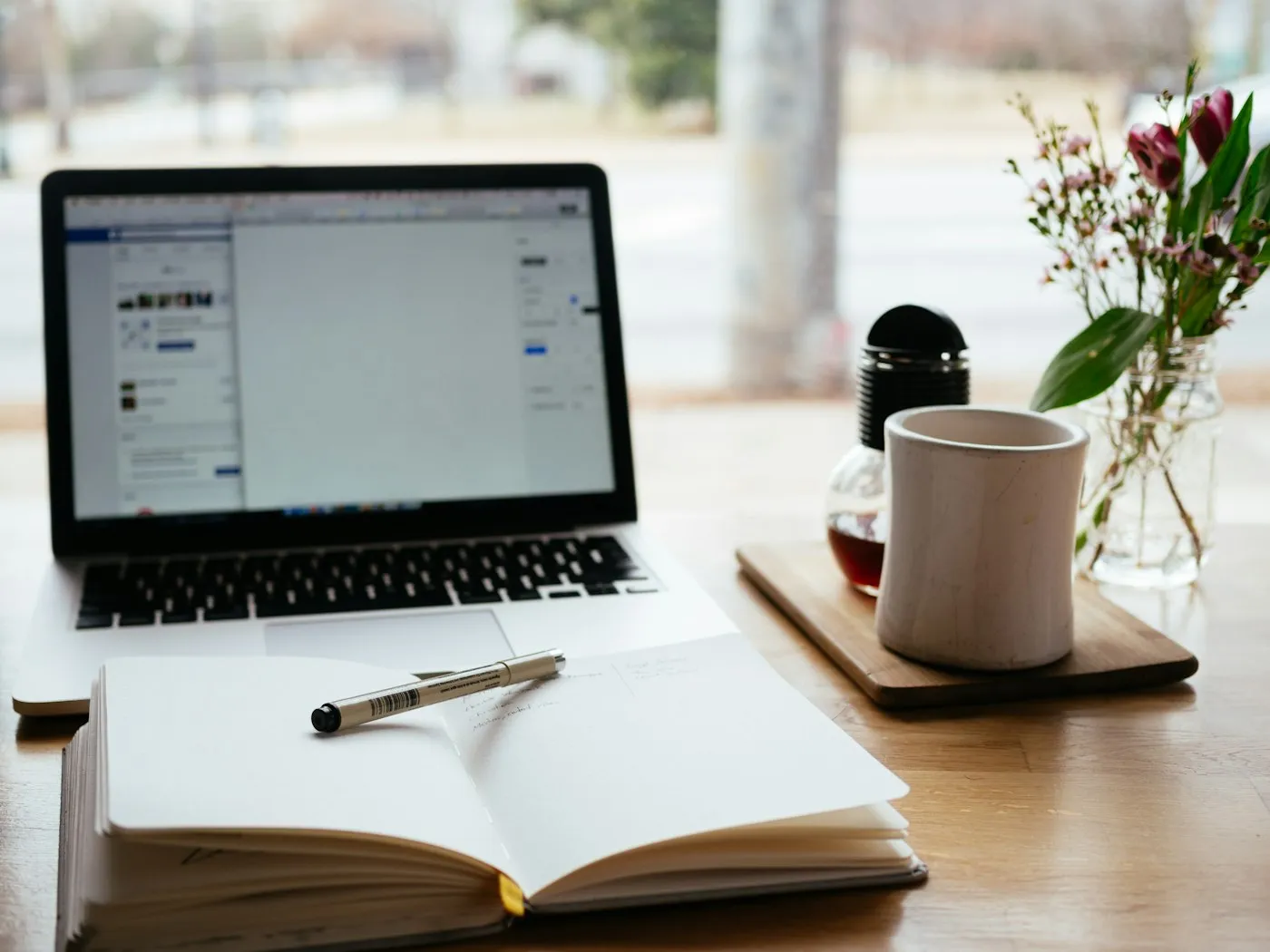
A pot of oolong in the morning eases you into your day, but a strong cup at ten at night can leave you tossing and turning until almost dawn. Caffeine is nothing to fear. You just need to know how much is in your cup and when to drink it. Nhà An has gathered a few basics for anyone who loves tea and also tends to live on deadlines.
Every tea has caffeine
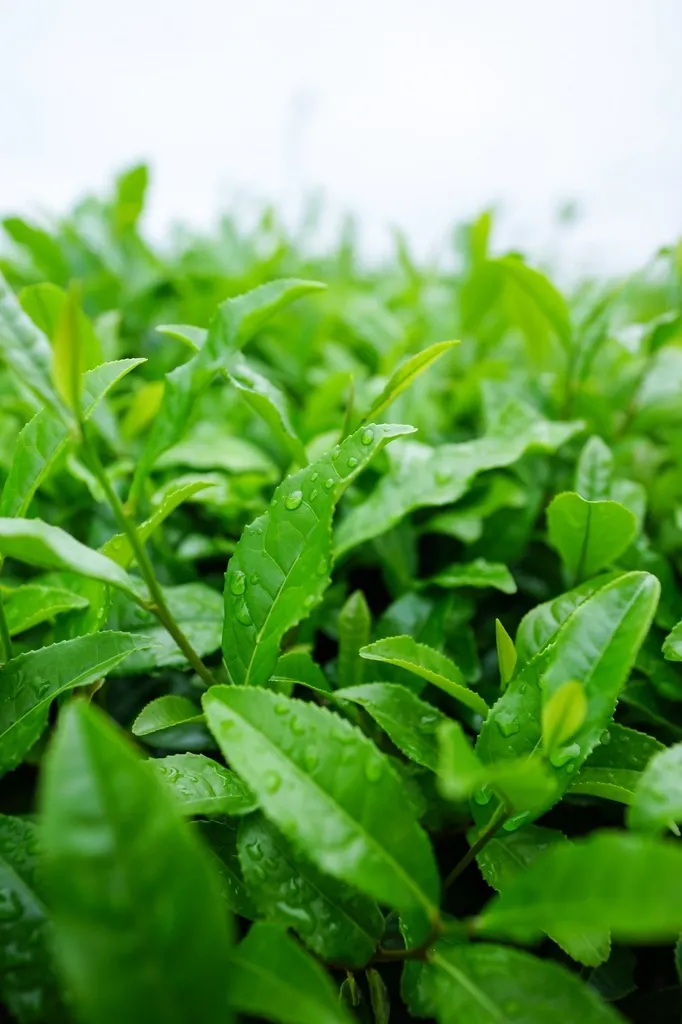
Green tea, white tea, oolong, black tea, pu-erh and matcha are all made from the leaves of the tea plant, and caffeine occurs naturally in those leaves. Even decaffeinated tea keeps a small amount.
On the other hand, many drinks we call "tea" contain no tea leaves at all, such as chamomile, ginger, lemongrass or artichoke tea, and these usually have no caffeine. When you buy a blend, read the ingredients, because some include a little real tea leaf.
Caffeine also shows up in coffee, milk tea, energy drinks, cola and, in small amounts, chocolate. Remember to count all of these when you tally up your caffeine for the day.
How much caffeine is in a cup of tea?
According to commonly cited reference tables, a brewed cup of tea of about 240 ml usually holds a few dozen milligrams of caffeine, noticeably less than a cup of brewed coffee of the same size. In practice the number varies widely, depending on:
- Amount of leaf: the more tea, the more caffeine.
- Water temperature: the hotter the water, the faster caffeine dissolves.
- Steeping time: the longer you steep, the more caffeine ends up in the cup.
- Part of the plant: buds and young leaves tend to have more caffeine than older leaves and stems.
- Leaf size: the broken bits in a tea bag release their contents faster than whole leaves.
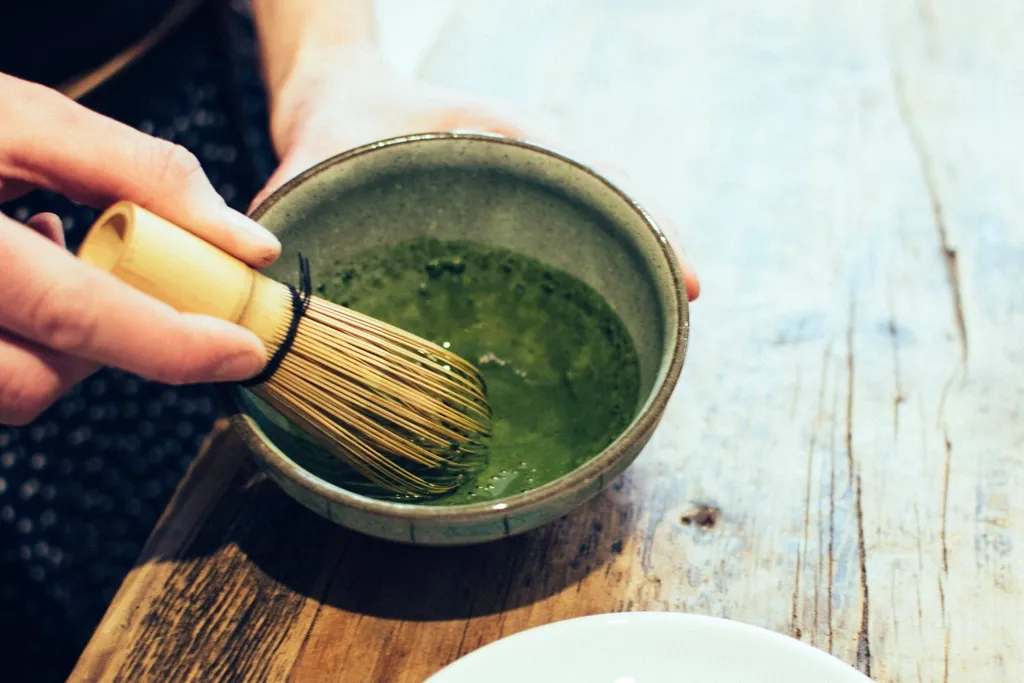
- How you drink it: matcha is finely ground tea leaf and you drink the whole powder, so it can contain more caffeine than a regular cup of green tea.
That is why your brewing method often matters more than the type of tea: a strong green tea steeped for a long time can carry more caffeine than a weak black tea. Dark-roasted tea feels smooth and less astringent, but do not assume it is low in caffeine.
What about rinsing the leaves? One study found that soaking leaves for 30 seconds removes only about a tenth of the caffeine. Rinsing helps the leaves open evenly and washes off dust, but it will not make your tea caffeine-free.
L-theanine and a gentler kind of alertness
Tea leaves also contain L-theanine, an amino acid that is rare in other foods. Some studies suggest that, together with caffeine, L-theanine may make alertness arrive more smoothly, and many tea drinkers do feel calmer and less jittery than they do with coffee.
Still, this varies from person to person and science is still exploring it. What is certain is that tea still contains caffeine: drinking a lot of it, or drinking it late, can still affect your sleep.
Sipping tea with the rhythm of your day
Your body needs several hours to clear half of the caffeine you have had, and the speed differs a lot from person to person. One easy rule of thumb many people follow is to stop strong tea and coffee about 6 hours before bedtime, and sensitive people may need to stop even earlier. Here is a suggestion for someone who goes to bed around 11 p.m.:
- Morning, after a light bite: oolong, milk tea and bolder drinks such as bạc xỉu ô long (a milky oolong-and-coffee drink that blends both coffee and tea).
- Noon to mid-afternoon: green tea, jasmine tea or a medium-strength oolong.
- Late afternoon: use less leaf, steep for a shorter time and pour a small cup.
- Evening: warm milk, fruit juice, herbal tea with no tea leaves, or plain water.
If you love milk tea, remember to count that large afternoon cup too, because the tea base is usually brewed strong.

Tips for those nights you have to stay up
Some deadline nights simply do not allow an early bedtime. When that happens, use caffeine with a plan:
- Have your strongest cup at the start of your shift, then move to lighter tea or water. Do not chain one cup after another until morning.
- Put a glass of water between cups of tea to keep yourself hydrated.
- If you are hungry, eat a light snack instead of pouring another strong cup.
- Take short breaks on a Pomodoro rhythm: stand up, walk around and rest your eyes.
- After a late night, prioritize catching up on sleep, and do not use caffeine to push through long-term sleep debt.
When Nhà An opens, all 5 branches will be open 24/7, the kitchen will serve late-night vegetarian dishes from 22:00 to 04:00, and the Deadline Room will stay quiet all night long. Not sure what to order in the evening? Just ask the counter staff to suggest something lighter.
Read moreSee Nhà An at nightWho should be careful with caffeine
The U.S. Food and Drug Administration (FDA) says that about 400 mg of caffeine a day is generally not associated with harmful effects in healthy adults. That figure does not apply to everyone, because each person's tolerance is different. Ask your doctor about a suitable amount of caffeine if you:
- Are pregnant, breastfeeding or planning to become pregnant.
- Are sensitive to caffeine: you easily feel anxious, get a racing heart, feel restless or have trouble sleeping after a single cup of tea.
- Have a heart or stomach condition, a sleep disorder or anxiety, or you take medication.
For children, it is best to choose caffeine-free drinks. This article only shares general information and does not replace a doctor's advice.