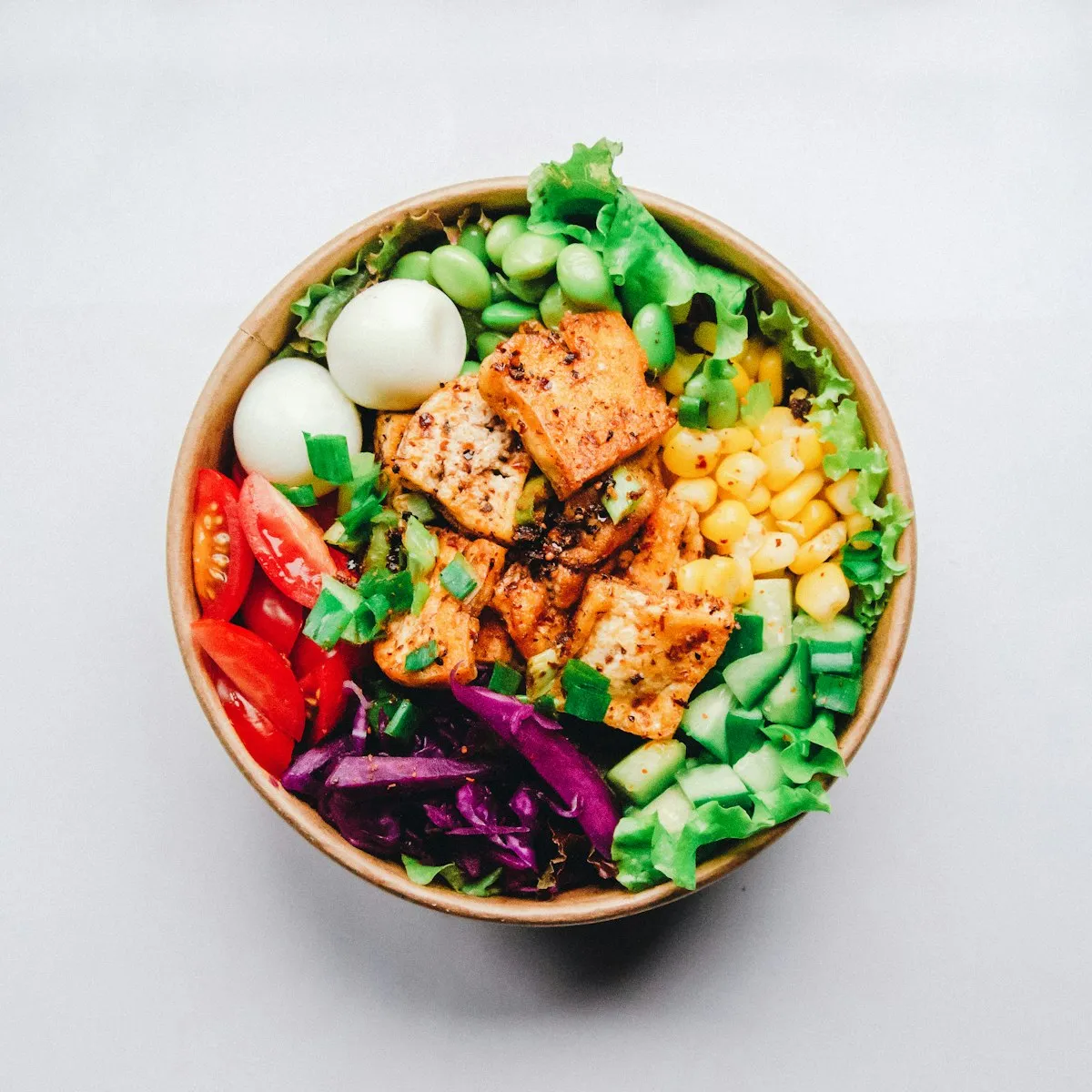
A handful of golden soybeans, clean water and a few patient hours are all it takes to make a block of tofu as soft as silk. It is a food so familiar that we rarely stop to notice it, yet it takes real skill and precision to make. Nhà An invites you to follow every step, from soaking the beans to a warm bowl of tàu hũ (silken tofu pudding) drizzled with ginger syrup.
Soaking and grinding: the foundation of a good batch
Everything starts with the bean. The best soybeans for tofu are golden, evenly round and dry, with no shriveled, moldy or insect-damaged beans mixed in. They are rinsed clean and soaked in cool water for several hours, usually overnight. In hot weather the beans swell quickly, in cold weather they need longer, and if you soak for a long time it helps to change the water so the beans do not turn sour.
A simple test: snap a soaked bean in half. If it has swollen to nearly double its size and the inside is flat and evenly colored, it is ready. The soaked beans are rinsed again and ground fine with water into a thick, cloudy white slurry. The less water you use, the thicker the soy milk and the richer and firmer the tofu; more water gives a softer, lighter-tasting tofu.
Cooking the soy milk and straining out the pulp
At many traditional tofu workshops in Vietnam, the ground mixture is first strained through a cloth bag to remove the pulp, and only the liquid is then cooked. Some makers cook the whole mixture and strain it afterward. Either way, the soy milk must be brought to a boil and held over the heat a little longer, until it is fully cooked and the raw, grassy smell of the beans is gone.
- Stir steadily and reach the bottom of the pot, because soy milk scorches easily and even a thin burnt layer on the bottom can give the whole pot a bitter, smoky smell.
- Soy milk foams up a lot as it boils, so skim off the foam and keep the heat moderate to stop it from boiling over.
- The thin skin that forms on top of hot soy milk is tàu hũ ky (yuba, tofu skin), which can be lifted off to dry or eaten right away.
- The leftover pulp still holds fiber and protein, and can go into baking, be mixed into vegetarian patties or be composted for the garden.
Coagulants: food-grade gypsum, sour whey and other options
For soy milk to become tofu, something has to make the soy protein clump together and set. Each coagulant gives a different texture and flavor:
- Food-grade gypsum (calcium sulfate): the familiar choice of street tàu hũ vendors, giving a smooth, soft block that holds a lot of water. You must use the food-grade kind, never construction gypsum.
- Sour whey: the traditional method in many craft villages in northern Vietnam, made from the whey of the previous batch left to ferment until sour. The tofu is fragrant, with a mild, distinctive tang.
- Nigari (magnesium chloride): the method Japanese tofu makers know well, giving a sweet aftertaste but harder to control because it sets very quickly.
- GDL (glucono delta lactone): often used for packaged silken tofu, mixed into cooled soy milk and then heated so the whole block sets evenly.
Timing matters too. The soy milk is left to cool until it is no longer boiling, usually around 75 to 85°C, before the coagulant goes in. Then you stir gently a few times, or pour the milk from a height into a container already holding the coagulant. Cover it and leave it undisturbed for about fifteen to twenty minutes. When pale yellow whey separates from the white curds, it has set.
Pressed into blocks or left silken: two fates for one pot of soy
From here, the pot of curds goes one of two ways. For firm tofu to fry or braise, the curds are ladled into a cloth-lined mold, the cloth is folded over and a weight is placed on top to press out the whey. The longer it is pressed, the firmer and chewier the tofu becomes.
Silken tofu is barely pressed at all. The soy milk is left to set as one whole block in its mold or container, keeping a lot of water so it stays smooth and trembles at the touch of a spoon. The bowl of tàu hũ that people in northern Vietnam call tào phớ is made the same way: the vendor uses a flat ladle to scoop thin layers of tofu into a bowl and pours over ginger-infused sugar syrup, sometimes with coconut milk or tapioca pearls.
Tofu is best right after it is made, still smelling of soybeans and naturally, gently sweet.
Why the Nhà An kitchen makes silken tofu every morning
Silken tofu is full of water and rich in protein, so it loses its freshness quickly. Left too long, the block weeps water, loses its fragrance and turns less smooth. That is why the Nhà An kitchen makes silken tofu every morning, only as much as the day's breakfast and lunch dishes need, instead of buying large quantities in advance and storing them.
When we open, silken tofu will appear in many dishes in the Nhà An vegetarian kitchen, where everything on the menu is vegetarian, broths are made from vegetables and no MSG is used. A few ways tofu will show up at a vegetarian meal:
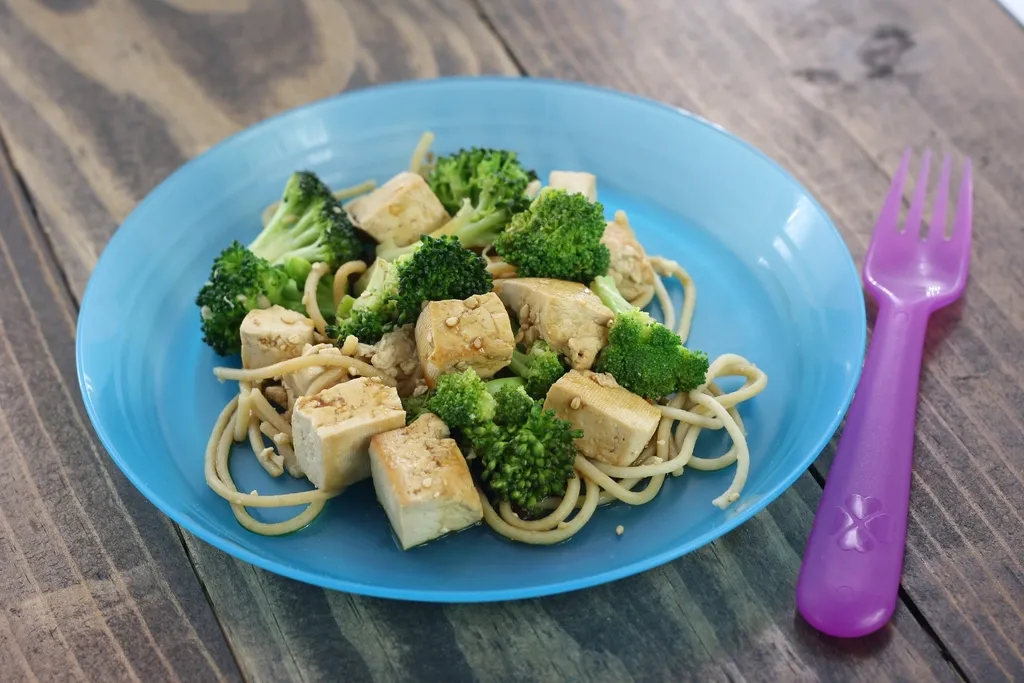
- A vegetarian rice plate with silken tofu, seasonal vegetables and vegetable soup; in Duy Xuyen, a country-style vegetarian meal with brown rice and garden greens.
- Silken tofu soup with tomato or mustard greens, light on the stomach for lunch.
- Steamed silken tofu with mushrooms, drizzled with a little soy sauce and sesame oil.
- Lemongrass fried tofu or tofu braised with mushrooms for a richer, heartier meal.
- Tàu hũ ky in a bowl of vegetarian hủ tiếu Nam Vang (Phnom Penh-style noodle soup) at Binh Thanh.
- A warm bowl of tàu hũ with ginger syrup for an early morning.
Tofu is a familiar source of plant protein, but if you are allergic to soy, please tell our staff before ordering so they can guide you.