
Amenities
Tea and coffee all day, how much caffeine is just right?
Pick the drinks you've had today and the tool adds up your estimated caffeine, then compares it with the 400 mg-a-day reference level. Free, runs right in your browser, no sign-in needed.
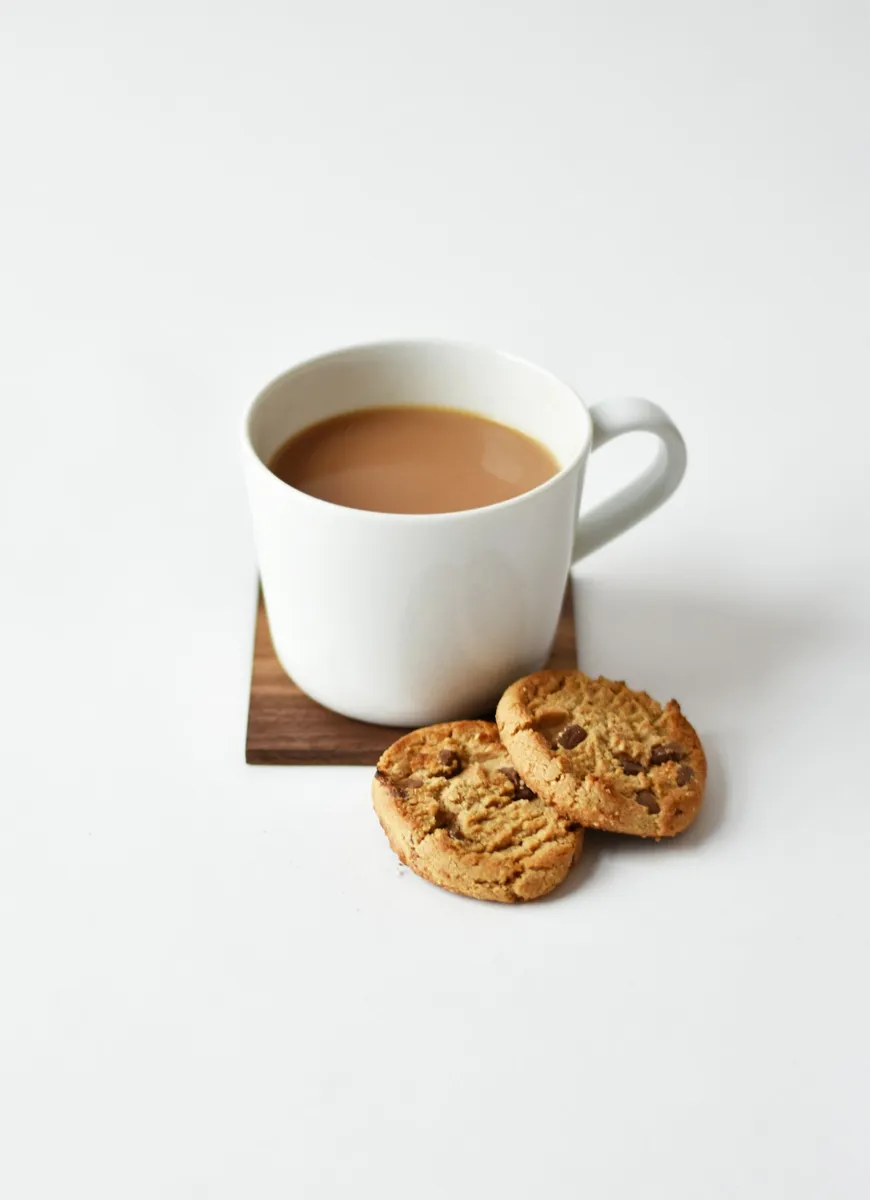
How to use
Four steps to know what you drink
It takes less than a minute. Try it at lunchtime to decide whether to order another cup this afternoon.
Recall today's cups
Count from your morning coffee to the soda at lunch, including the milk tea you had with friends.
Add the right drink and size
Choose the drink closest to yours. A cup twice as big counts as two cups.
Compare with 400 mg
The total bar shows where you stand against the reference level for healthy adults.
Pick your next cup
Getting close to the limit? Switch to herbal tea, water or a lighter brew.
Good to know
Which cups contain caffeine?
Caffeine is found in tea leaves, coffee beans, cacao beans, some fizzy drinks and energy drinks. That's why oolong, jasmine tea, lotus tea and black tea all contain caffeine, just in different amounts. Herbal teas such as artichoke, chamomile and ginger usually have none.
Even the same type of drink varies from cup to cup: how much ground coffee or tea, how hot the water, how long it steeps, how big the cup is. So treat every number on this page as a reference point, not a measurement.
- Phin coffee is usually stronger than steeped tea in the same size cup
- The first steep of tea usually has more caffeine than later ones
- Adding milk doesn't remove caffeine, it just makes the cup milder and more diluted
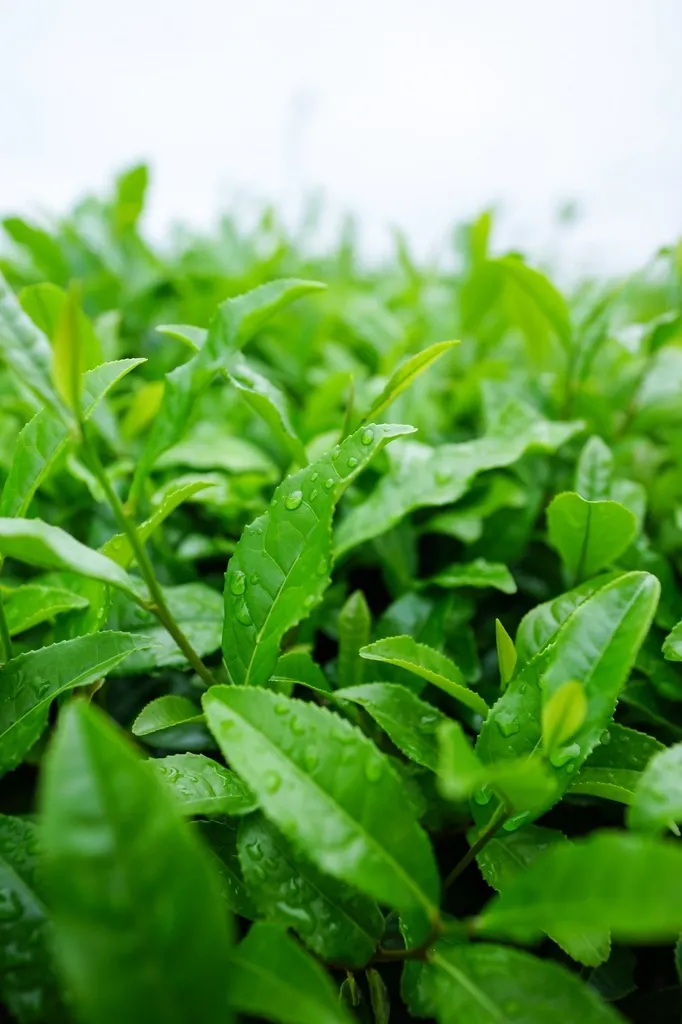
Why every cup differs
Five factors that raise or lower caffeine
| Factor | General effect |
|---|---|
| Type of ingredient | Robusta coffee usually has more caffeine than arabica; black tea usually has more than light green tea |
| Amount of grounds or leaves | The more you use, the stronger the cup and the higher the caffeine |
| Steeping time and water temperature | Hotter water and longer steeping usually extract more caffeine |
| Cup size | A 500 ml cup holds more than a 250 ml cup, even with the same tea base |
| Lots of ice or lots of milk | Melting ice and milk dilute the taste, but caffeine is still set by the amount of tea or coffee base in the cup |
Rhythm of the day
A day of just enough
A suggestion for spacing your drinks through the day so you can still sleep easily at night. Adjust it to your own body.
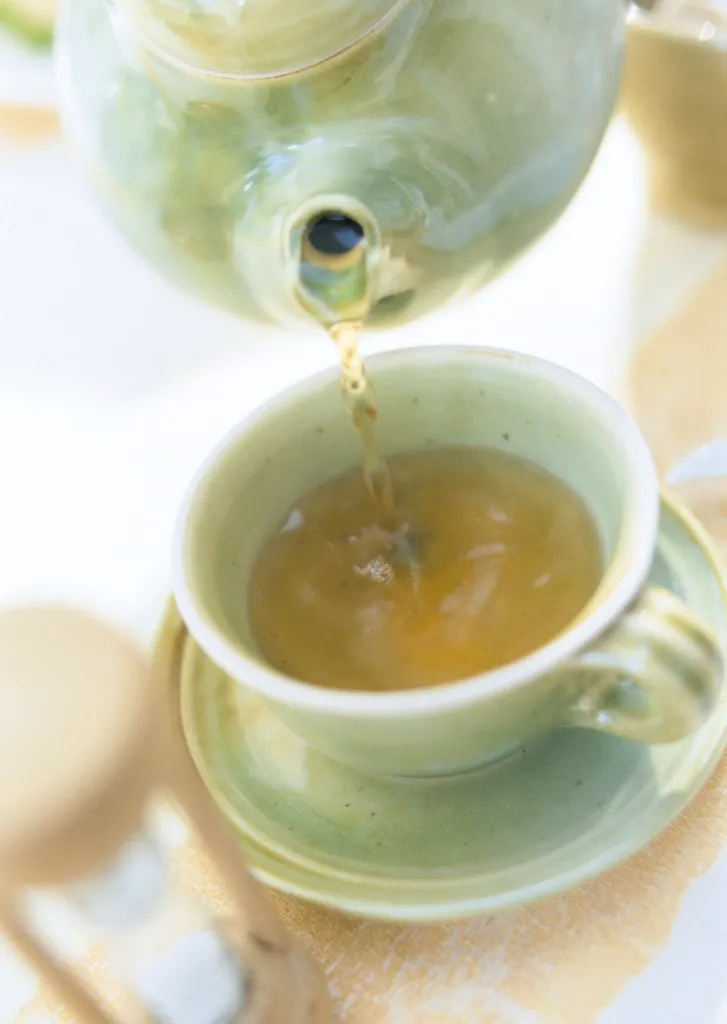
Little tips
Drink caffeine more wisely
Set a cut-off time
Caffeine stays in your body for hours. If you have trouble sleeping, have your last cup a few hours before bedtime.
Add a glass of water
After every coffee or tea, drink a glass of water to keep up your hydration through the day.
Don't drink on an empty stomach
Have a light snack before or with your coffee; strong tea is usually much easier on you that way.
Listen to your body
Everyone's sensitivity is different. A racing heart or restlessness is your cue to stop; if it lasts, talk to a doctor.
At Nhà An
Order your cup, light or strong, your call
Nhà An hasn't published caffeine levels for each drink yet. When our 5 branches open, you can ask the staff to suggest a lighter or stronger cup. Here are a few drink lines to start with.
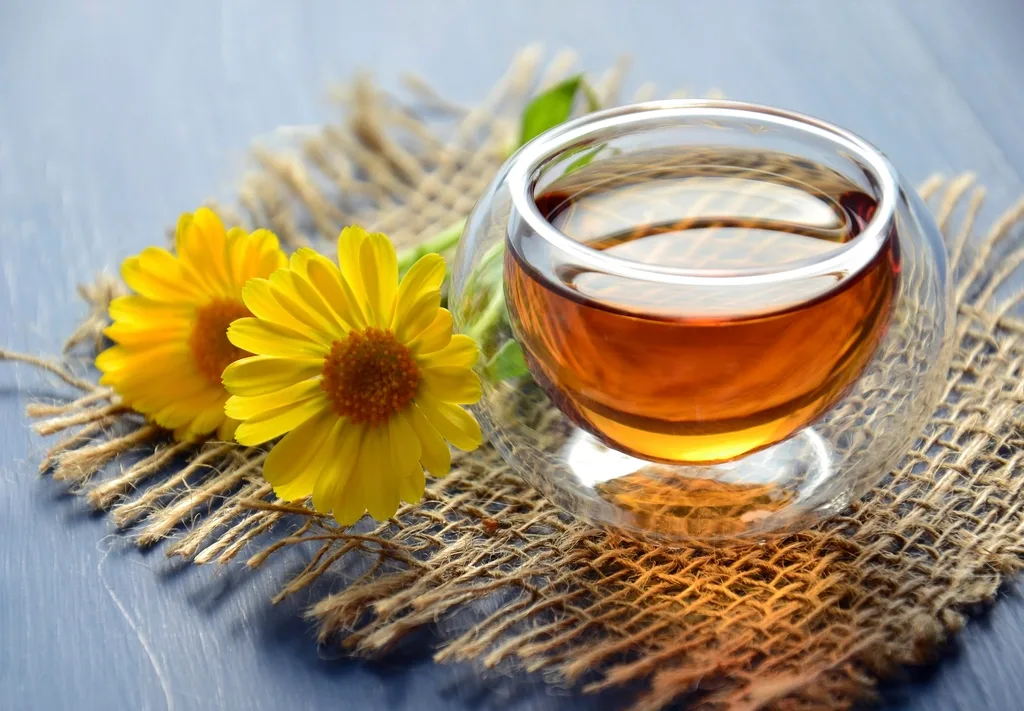
Hot oolong, gently brewed
Wood-fired roasted oolong can be steeped many times, each one softer than the last, perfect if you like to sip for a long while.
Xem thêm
Seasonal fruit tea
Seasonal fruit flavors, cool and easy to drink on a sunny afternoon. You can ask the staff to suggest a lighter brew.
Xem thêm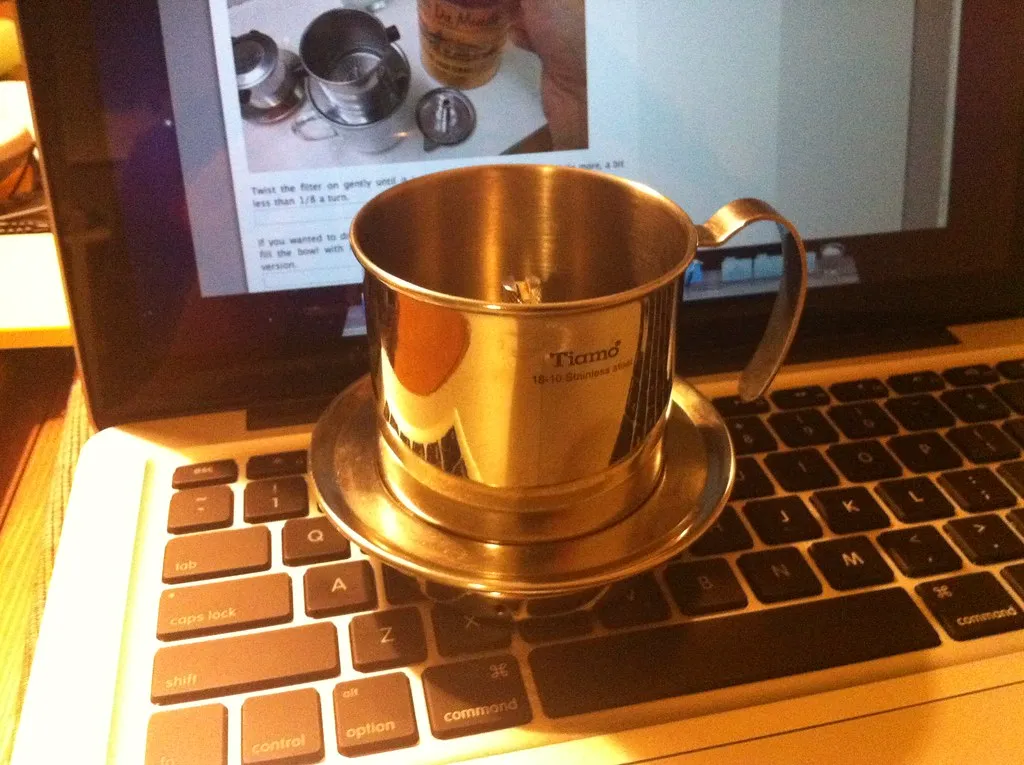
Phin coffee
Some of Nhà An's phin coffees are made for mornings when you need to be alert. Every cup lets you choose your sugar level and amount of ice.
Xem thêmPlease note
When to be more careful
This tool doesn't diagnose anything. If you're worried about your health, a doctor is the best person to advise you.
Talk to your doctor if you
- Are pregnant or breastfeeding (the recommended limit is usually lower than 400 mg)
- Have heart or blood pressure problems
- Often feel anxious or have lasting trouble sleeping
- Are taking medication
Signs you may be drinking a bit much
- Racing heart, shaky hands
- Restlessness, trouble concentrating
- Trouble falling asleep even when tired
- Stomach pain when drinking on an empty stomach
Quick questions about caffeine
Are the numbers in the tool accurate?
Not exactly. They are commonly used estimates for a regular-size cup, based on the average figures usually published. A real cup depends on the type of bean, the amount of grounds or leaves, the brewing method and the cup size.
Is 400 mg a day the amount everyone should drink?
No. It's the level many health authorities such as the FDA cite for healthy adults, not a target to reach. If you're sensitive, pregnant or have an underlying condition, drink less and ask your doctor.
Does tea have less caffeine than coffee?
A cup of steeped tea usually has less caffeine than a coffee of the same size because it uses less material, but it still has caffeine. Brew it strong or steep it longer and the number goes up.
Does Nhà An have caffeine-free drinks?
Nhà An hasn't published a menu by caffeine content yet. After opening, you can ask the staff at the counter to pick a lighter cup or one that suits you. Every cup lets you choose a 0–100% sugar level and less or more ice.
Is the data I choose saved?
The tool runs right in your browser with no sign-in. The cups you tap are only saved by day on your own device and are never sent to Nhà An.
Know how much you drink, and pick your next cup happily
Visit the sugar-level tool to balance your drink, or book a table so Nhà An can hold a spot for your next get-together. 5 branches are being finished, opening soon, open 24/7.
Xem tiếp